
Does Quick Fix Work? Honest Review & Reliability
Does Quick Fix work for a high-stakes drug test? If you’re a frequent cannabis user staring down a probation, pre-employment, or medical screening, you already know the basics of synthetic urine. You’re past the “what is it” phase and need a real-world reliability analysis. So let’s break down what this product actually is and where its potential vulnerabilities lie.
Quick Fix Synthetic Urine: The Baseline
Quick Fix is a pre-mixed, laboratory-created formula from Spectrum Labs, designed to mimic the chemical and physical properties of human urine. The core idea is simple: it provides a toxin-free sample that should pass a standard validity check. The formula contains key markers like urea, uric acid, and creatinine, with a balanced pH and specific gravity. It’s a liquid, not a powder, which eliminates mixing errors—a key differentiator for users under stress.
Quick Fix Plus vs. The Standard Version
You’ll see two main versions:
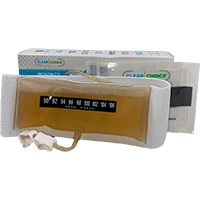
- Quick Fix 6.4 (Standard): The 2 oz kit. It includes the synthetic urine bottle, a heating pad, and a temperature strip.
- Quick Fix 6.4 Plus: The 3 oz kit. The formula is identical, but the higher volume is a safer bet if the test requires a larger sample.
The current 6.4 iteration is the result of over 25 years of updates, aiming to stay ahead of lab detection. However, the critical question isn’t what’s in the bottle—it’s whether that formula can withstand the advanced testing protocols used by major labs today. That’s where the analysis gets serious.
Inside the Quick Fix Kit: How Each Component Addresses Real-World Concerns
So, let’s break down exactly what you get in the box and, more importantly, why each piece is there. Think of this as a functional audit—mapping each component to a specific worry you probably have right now.
The Core Components: A Direct Response to Your Fears
1. The Pre-Mixed Synthetic Urine Bottle
This is the heart of the kit. It comes ready to use, which eliminates any mixing errors that could ruin the sample’s chemical balance. The formula is designed to replicate human urine by including key markers like urea, uric acid, and creatinine, with a pH balanced between 4.5 and 8. It also has a biocide protection to stay fresh for up to two years. The flip-top cap is designed for one-handed, leak-free pouring—a small but critical detail for a stressful moment.
2. The Integrated Temperature Strip
This directly targets the #1 fear: submitting a sample at the wrong temperature. The LCD strip on the bottle shows green when the liquid is in the perfect 94–100°F range, tan if it’s in an acceptable cooler range, and black if it’s overheated. It’s your primary real-time gauge.
3. The Air-Activated Heating Pad & Rubber Band
This duo is your defense against unpredictable waiting room delays. The pad is designed to maintain the correct temperature range for 5–8 hours. You attach it to the back of the bottle (opposite the temp strip) with the rubber band, ensuring heat transfers without blocking your temperature reading.
4. The Instruction Sheet & Batch Insert
This sheet reduces confusion by providing clear, step-by-step heating instructions for both microwave and slow-heat methods. Crucially, it also contains your unique batch number for authenticity verification.
Understanding Your Options: Bottles vs. Belts
Quick Fix primarily offers bottle-based kits. The standard Quick Fix 6.4 has 2 oz of synthetic urine, while the Quick Fix 6.4 Plus offers 3 oz—useful if you’re concerned a test might require a larger sample volume. The formula is identical; it’s just a volume difference.
It’s important to note that Quick Fix itself doesn’t include a wearable belt system. Users typically secure the bottle using their own clothing. This is a key differentiator when comparing it to dedicated wearable systems later.
The Evolution: Version Differences Matter
The formula has been updated to try and keep pace with labs. Version 6.2 and earlier had a strong reported pass rate. Version 6.3 updated the packaging and chemical balancing for 2024 standards. The current Version 6.4/6.4 Plus is marketed as the “2026 Formula,” adding a foaming effect when poured and featuring tighter pH and specific gravity calibration.
Your First Line of Defense: The Batch Validator
Before you do anything, you must verify your kit’s authenticity using the batch number on the insert or label. Entering it at the official validator site confirms it’s not a counterfeit and is within its shelf life. An invalid code is a major red flag.
Note: The entire kit is engineered to address the practical anxieties of the process—temperature, freshness, and discreet use. But the real, make-or-break question is whether this chemical formula and delivery method can hold up under the specific pressures of a modern testing lab’s scrutiny. That’s the performance analysis we need to tackle next.
Quick Fix Reliability: Performance Against Modern Drug Testing Methods
So, does Quick Fix actually work? The answer isn’t a simple yes or no—it’s a conditional “it depends.” And what it depends on is the specific testing environment you’re walking into. Let’s break down its performance against the exact lab protocols and scenarios that keep you up at night.
Performance at Standard Labs (Quest, LabCorp)
For a standard, unsupervised pre-employment screen at a major lab like Quest or LabCorp, Quick Fix has a documented history of passes in 2024 and 2025. Its formula is engineered to meet the baseline chemical checks labs perform. It contains urea, uric acid, and creatinine, and it’s balanced to fall within the acceptable ranges for pH (4.5–8.0) and specific gravity (1.003–1.030). This is the core of what a lab’s Specimen Validity Testing (SVT) initially checks.
However, passing is entirely contingent on one non-negotiable factor: temperature. Your sample must register between 90°F and 100°F within four minutes of submission. If you nail the temperature and the collector doesn’t scrutinize it beyond the basic SVT panel, your odds are reasonable. This is the scenario reflected in many online “quick fix urine reviews” that claim success.
The Detection Risks: Where Scrutiny Increases
The problem arises when the lab’s scrutiny goes beyond the basics. Modern labs are increasingly equipped to spot synthetic signatures. Here’s where Quick Fix shows its limitations:
- Biocide Screening: Quick Fix uses preservatives like benzisothiazolinone (BIT) to maintain its two-year shelf life. Many labs now specifically test for these biocides, which are dead giveaways that the urine isn’t fresh from a human body.
- Missing Lifestyle Biomarkers: Real urine contains traces of caffeine, cotinine (from nicotine), and other compounds from your diet and lifestyle. The absence of these can flag a sample as synthetic in more advanced panels.
- The “Eye Test” and Smell: Collectors are trained to observe. Quick Fix replicates foaming when shaken, but real urine has a distinct, mild ammonia odor that the synthetic version often lacks. A collector who notes an odorless sample might flag it for further review or reject it outright.
Comparison with X Stream and Premium Options
Quick Fix is a budget-friendly, pre-mixed solution ($40-$50). In contrast, X Stream is another basic brand in a similar price tier, and both can struggle with the same detection issues mentioned above.
The more significant comparison is with premium powdered kits like Sub Solution. These often contain 14 or more chemical compounds, including albumin, which better mimics the protein matrix, smell, and frothing of real urine. This higher chemical realism is a key differentiator for passing visual and olfactory checks. Understanding the baseline requirements for high-quality synthetic urine—like the inclusion of these nuanced biomarkers—is essential for evaluating any brand’s claims.
The Supervised Test Problem
This is the ultimate deal-breaker. For any directly observed test (common in probation, DOT, or military settings), Quick Fix is not a viable option. The entire method relies on discreet transfer in a private restroom. If a monitor is watching the urine leave your body, there is no way to use the bottle without immediate detection.
So the key takeaway is this: Quick Fix can perform adequately in low-scrutiny, unsupervised scenarios if you perfectly execute the temperature protocol. But its chemical composition has specific, known vulnerabilities to modern lab detection methods. Understanding these performance limits reveals exactly where and why it can fail—which leads directly into our next focused breakdown of those critical failure scenarios.
Critical Weak Points: Where Quick Fix Fails When It Matters Most
So you’ve seen the general performance limits. Now let’s get specific. Because when the pressure is on, it’s not about if a product has weak points—it’s about when they’ll betray you. For Quick Fix, there are three predictable failure modes that consistently show up in high-stakes scenarios.
The Temperature Time Bomb
The single biggest point of failure is temperature. The acceptable window is razor-thin: 90°F to 100°F, and it’s the first thing a collector checks.
Here’s the problem: Quick Fix’s heat pad is a slow, passive system. It needs a solid 45 minutes to bring the sample to range. If you’re facing a surprise test or a short-notice call, you might not have that runway. Worse, that pad is your only lifeline in the waiting room.
For example: You heat the bottle perfectly at home. But the clinic is running 45 minutes behind. That heat pad is now fighting a losing battle against room temperature. Your sample, which was a perfect 98°F, steadily drops into the danger zone below 90°F. The collector’s strip shows a cold sample, and your test is immediately flagged for substitution. There’s no backup plan.
Alternatively, you over-microwave it for 15 seconds trying to be safe. Now the sample is over 100°F, the temperature strip goes blank, and you’ve handed them a sample that’s obviously been artificially heated. It’s a lose-lose scenario that hinges entirely on perfect timing and conditions you can’t control.
The “Human Check”: Smell, Foam, and Visuals
Modern collection sites aren’t just running lab tests. The collector is your first line of defense, and they’re trained to use their senses.
Quick Fix fails the smell test. Real urine has a distinct ammonia odor. Quick Fix is odorless. If a collector gives it a casual sniff—and many do—that odorless sample is an instant red flag.
Then there’s the foam test. When real urine hits the cup, it naturally creates a brief foam or bubbles. Quick Fix often produces a flat, lifeless liquid or, due to its surfactants, a soapy, unnatural foam that doesn’t dissipate correctly. Trained eyes notice this.
Visually, the color can be off. It might lack the natural, subtle variations or slight sediment of real urine. In a quiet restroom, the sound of the bottle cap snapping or liquid sloshing can feel deafeningly loud, feeding the paranoia that gets you caught.
The Supervised Test: A Complete Non-Starter
This is the most brutal weak point. If your test is directly observed—common for probation, military, DOT, or return-to-duty scenarios—Quick Fix is useless. The entire strategy relies on a private moment to make the switch. With an observer watching the urine leave your body, there is no physical way to use a bottle without instant detection. No amount of temperature mastery or chemical formula can overcome this.
These aren’t hypothetical risks. They are documented failure points based on the product’s design and countless user reports. The real question then becomes: given these vulnerabilities, are there ways to mitigate them, or is there a fundamentally more reliable approach?
- All you need to pass your test in one kit.
- It will pass specimen validity tests.
- Labs cannot tell that it’s synthetic.
- Invisible under clothes.
- Maintains perfect temperature.
Advanced Quick Fix Tactics: Maximizing Success and Avoiding Pitfalls
So the question becomes: given these known vulnerabilities, how do you stack the odds in your favor? Let’s break down the expert-level mitigation strategies. Think of this as your pro-tips cheat sheet for navigating the most common failure points.
Step-by-Step Preparation Instructions
First, let’s lock down the process. A single misstep in prep can unravel everything.
- Pre-Test Batch Verification: Before you do anything, locate the batch number on your kit’s insert. Cross-reference it online to confirm it’s within its 2-year shelf life. An expired formula is a guaranteed failure.
- The Initial Heat-Up (Microwave Method): Remove the cap and microwave the bottle for 10 seconds. If the temperature strip shows no reading, let it sit for 2 minutes before reheating in 3-5 second bursts. The key is patience—overheating is a common, avoidable mistake.
- The Slow & Steady Method (Heating Pad): If you don’t have microwave access, activate the included heater 45–60 minutes before you leave. Attach it firmly to the bottle, opposite the temperature strip, using the provided rubber band. This gives it a full hour to reach the target range.
- Final Prep for Authenticity: Right before you pour, give the bottle a gentle shake. This creates the realistic foam and bubbles you’d see in fresh urine, helping it pass a simple visual inspection.
How to Read the Temperature Strip
The strip is your most critical real-time data source. Misreading it means instant failure.
- Green/Tan Dots: You’re in the safe zone—this indicates a temperature between 90–100°F.
- Black Indicator: This means the sample is overheated, above 100°F.
- A Blank Strip: The sample is either too cold (below 90°F) or so hot the strip can’t register. Let it cool or use body heat to warm it.
Pro-Tip: Check the strip at eye level in bright, indirect light. Wipe away any condensation first. You want a clear reading of 92–99°F before you walk into the facility, accounting for slight cooling during any wait.
Maintaining the Correct Temperature Range
Your sample must be between 90–100°F when the collector checks it, which they’ll do within 4 minutes of submission.
- An activated heating pad, when properly secured, can maintain this range for 5 to 8 hours. It’s your primary battery.
- Body Heat is Your Backup: After initial heating, tuck the bottle against your skin—inner thigh, groin area, or bra. This stabilizes the temperature and acts as a buffer against external conditions.
Can You Reheat Quick Fix Synthetic Urine?
Yes, and this is a key advantage. Quick Fix can be reheated and cooled multiple times without degrading its chemical properties. The biocide protection prevents microbial growth, so the sample stays “fresh” for months. However, avoid more than 10 total seconds of microwave time to prevent melting the plastic. For many users, this reusability is a major differentiator for practice and peace of mind.
Expert Mitigation and Concealment Tactics
This is where anxiety turns into action. Your strategy must account for the testing environment.
- Hiding Locations: Forget pockets. Use compression shorts, leg straps, or specialized stash underwear to secure the bottle against your inner thigh or groin. This defeats a standard pat-down and keeps the sample close to vital body heat.
- The Pat-Down Defense: If asked to empty pockets, you comply calmly—because nothing is in them. The product is already secured on your body.
- Emergency Cooling: If the sample is slightly too hot (101–102°F) right before your test, dip the sealed bottle in toilet water for 2–3 seconds. This can drop the temperature 1–2 degrees instantly.
- Fail-Safe Verification: If the built-in strip is damaged or unreadable, use a separate digital thermometer for a discreet final check before entering the building. It’s an extra layer of certainty.
Note: Some advanced users prefer a synthetic urine powder format for its specific mixing and heating advantages, but the core temperature principles remain the same.
Even with perfect execution, you’re managing a system with multiple variables. The product’s inherent shelf life and storage requirements introduce another layer of planning complexity, which we’ll need to address for true emergency preparedness.
The 60-Second Pre-Test Audit: Your Final Readiness Checklist
You’ve managed the temperature. You’ve got the product. Now, standing in the parking lot or waiting room, the final barrier between you and a negative result is a simple, 60-second mental checklist. This is your pre-flight check. Skipping it is how small, avoidable mistakes turn into catastrophic failures. Let’s run through it.
1. Temperature Verification: The Non-Negotiable
The single most common point of failure is temperature. Your sample must be between 94°F and 100°F the moment you hand it over.
- Check the Strip: Look at the temperature strip on the bottle. You need a clear, green reading or dot within the 94–98°F range. This gives you a buffer for cooling during the handoff.
- Read it Right: Hold it at eye level in good light. Wipe away any condensation. If the strip is blank or black, your sample is likely overheated (above 100°F). Let it cool naturally until the color bar appears.
- Pad Placement: Confirm the heating pad is attached to the side opposite the temperature strip. If they’re on the same side, the pad can give you a false high reading, making you think you’re in the zone when you’re actually cooling down too fast.
2. Seal and Stealth Integrity: No Leaks, No Bulges
A wet spot on your pants or a visible outline is an instant giveaway.
- The Shake Test: Give the bottle a firm shake. Any moisture on the outside means the cap isn’t sealed tight. Fix it now.
- Switch Caps: If your kit has a flip-top cap, switch to it just before you conceal the bottle. It allows for a fast, one-handed, silent pour in the stall.
- Secure the Holster: Ensure the container is firmly secured in a dedicated leg strap, holster, or compression shorts. It shouldn’t slip, slide, or create a suspicious bulge. Practice walking and sitting to make sure it’s invisible.
3. Silent Access and Operation: Zero Noise
The restroom at a testing facility is often quiet. Any unnatural sound carries.
- Practice the Open: Before you go in, practice opening the cap or release valve silently. The loud click or snap of a bottle cap is a major red flag that can be heard through a stall door.
- Muffle Your Movement: Be mindful of your clothing. Zippers, belts, and stiff fabrics can create suspicious noise when you retrieve the device. Plan your movements to be smooth and quiet.
4. Visual and Physical Sample Audit: The Eye Test
The collector will visually inspect the sample. It needs to pass.
- Create Foam: Right before you pour, give the bottle a gentle shake. This creates natural-looking foam and bubbles, mimicking the protein behavior of real urine.
- Check for Clarity: Look at the liquid. It should be clear, with the correct yellow hue—not too pale, not an unnatural color, and with no weird separation or sediment floating in it.
- Verify the Batch: Double-check the batch number on the bottle is valid and the product hasn’t expired. An outdated formula is a detected formula.
5. Discreet Discard and Exit Plan: Leave No Trace
Your job isn’t done when you hand over the cup. You must exit cleanly.
- Know Your Hiding Spot: Decide exactly where the empty bottle and used heating pad will go after you’re done (e.g., re-secured in the leg strap). Don’t figure this out in the stall.
- No Trash Left Behind: Collectors often check the restroom immediately after you leave. Leave no wrappers, rubber bands, or the bottle itself in the trash or toilet.
- Remember the Toilet: This is critical. You must leave urine in the toilet bowl. Walking out with a completely dry toilet is a primary red flag for substitution.
Note: This checklist exposes the inherent fragility of a bottle-based system. You’re managing multiple, easily compromised variables—strips that can rub off, caps that click, and pads that overheat. For a system designed to eliminate these exact failure points, the Incognito Belt integrates the sample, temperature control, and silent, hands-free dispensing into a single, wearable unit. It turns this complex pre-test audit into a simple, discreet check of a dial, fundamentally reducing the points of failure and the anxiety that comes with them.
Quick Fix Shelf Life and Storage: Essential Guide for Frequent Users
So the key question for anyone thinking ahead is: Can you buy Quick Fix now and trust it to work months later? The official answer is yes, but with critical caveats you need to manage.
Official Shelf Life and Verification
Quick Fix has an official shelf life of two years from its manufacture date. However, this isn’t a guarantee you can just rely on the box. You must verify the batch. The expiration is tied to the batch number on the green paper insert or the bottle label. Before you stash it away, enter that number into the official Spectrum Labs Batch Validator online. This confirms the product is authentic and within its valid window. If the batch is invalid or missing, it’s likely a counterfeit—and using it is a guaranteed fail.
Optimal Storage Conditions
For that two-year promise to hold, storage is non-negotiable. Keep unopened kits at room temperature, ideally between 65°F and 75°F. A cool, dry closet shelf works perfectly. The enemies are direct sunlight and extreme heat, like a car dashboard, which can degrade the pH and other chemical markers labs test for. Keep the cap sealed tight to limit oxygen exposure.
The Reheating Question for Emergency Stockpiling
Here’s where long-term planning gets tricky. The manufacturer states the formula contains biocides that prevent bacterial growth, so it can be reheated and cooled multiple times. In theory, you could heat it daily if your test keeps getting postponed. However, while the core chemicals may remain stable, excessive reheating over a week or more can alter the aroma or consistency. For maximum quality, an opened bottle should be used the same day.
This reveals a fundamental tension: you’re buying a product for a future, unpredictable event, but its peak reliability diminishes once the seal is broken. You’re managing a perishable asset under pressure. Alternatively, solutions like the Incognito Belt are designed for long-term readiness with a sealed, pre-mixed sample that avoids the reheating degradation cycle entirely, offering a more stable “set-and-forget” option for your emergency stash.
Quick Fix vs. Incognito Belt: A Reliability Comparison for High-Stakes Tests
So you’ve seen how Quick Fix’s reliability can degrade over time. Now, you’re at the decision point. When the stakes are your job or your freedom, choosing the right tool isn’t about brand loyalty—it’s about a cold, hard assessment of which system is engineered to avoid failure.
This isn’t just about two bottles of synthetic urine. It’s a choice between a standalone product and an integrated delivery system. Let’s break down the comparison across the criteria that matter most when the pressure is on.
Temperature Stability: The Make-or-Break Factor
The single biggest reason for a failed test with synthetic urine is an incorrect temperature reading. Your sample must be between 90°F and 100°F the moment you hand it over.
- Quick Fix: Relies on an external heat pad or a microwave. The heat pad can fail, overheat, or lose effectiveness during a long wait. Without constant, direct body contact, the temperature can plummet in a cool waiting room. You’re managing a variable.
- Incognito Belt: This is where the engineering shines. The belt uses a chemical heat pad in direct contact with the reservoir, which is also pressed against your body. This dual-method approach—body heat plus a chemical heater—sustains the optimal 90–100°F range for several hours. It turns your body into a stable heating element, drastically reducing the temperature gamble.
Note: The Incognito Belt requires a 45–60 minute warm-up period for the chemistry to stabilize. This is a planning requirement, not a flaw—it ensures the temperature is locked in before you even leave home.
Concealment & Discreet Delivery
How you get the sample from your body into the cup is the moment of highest detection risk.
- Quick Fix: Requires you to hide a rigid bottle, then manually unscrew a cap and pour into a cup. This involves noticeable hand movements, the audible click of a cap, and the risk of spilling. In a quiet restroom or under observation, this is a massive vulnerability.
- Incognito Belt: It’s a wearable system. The adjustable belt (up to 48 inches) hides the bladder under your clothes. The rubber tube and one-handed release clip allow you to discreetly dispense the sample without any visible bottle or complex pouring motion. It’s designed for hands-free, silent operation.
Detection Risk & Formula Integrity
Modern labs use Specimen Validity Testing (SVT) to check for synthetic samples. They test for pH, specific gravity, creatinine, and the presence of biocides (preservatives).
- Quick Fix: Contains a biocide preservative. While it includes key compounds like uric acid, this biocide is a known red flag that advanced SVT panels can detect. Its estimated pass rate against modern lab validity tests is a concern, often cited at 50% or less.
- Incognito Belt: The formula is biocide-free and includes 11 key compounds (uric acid, urea, creatinine). This composition is designed to pass standard oxidant/adulterant screens and mimic real urine more closely under SVT analysis.
Cost vs. Value: The Real Calculation
This is where you have to weigh the quick fix urine price against the cost of failure.
- Quick Fix: A budget-friendly option at roughly $40–$50. You might find a quick fix urine coupon code to lower this further.
- Incognito Belt: A premium kit at $135.
So the key question is: What are you actually buying?
For a low-stakes, unsupervised test where the only consequence is personal knowledge, Quick Fix’s lower cost might offer acceptable value. However, for a high-stakes test—pre-employment, probation, or a DOT physical—the calculus changes completely.
The Incognito Belt’s $135 isn’t just for 3.5 oz of urine. You’re investing in:
- A stable temperature maintenance system that works with your body.
- A discreet, wearable delivery mechanism that eliminates pouring.
- A biocide-free formula with a higher likelihood of passing modern validity testing.
Alternatively, think of it this way: The cost of the Incognito Belt is a fraction of one month’s lost salary from a failed job opportunity, or the legal fees from a probation violation. It’s the differentiator between a product and a solution.
When you’re searching for coupons or comparing the how much is quick fix urine to alternatives, frame it as risk mitigation. The value for money in a high-stakes scenario is defined by reliability, not just the sticker price. The cheaper option that fails is the most expensive mistake you can make.
This direct comparison of features sets the stage for understanding the tangible, real-world consequences of your choice—the focus of our next critical section.
- All you need to pass your test in one kit.
- It will pass specimen validity tests.
- Labs cannot tell that it’s synthetic.
- Invisible under clothes.
- Maintains perfect temperature.
The Real Cost of Failure: Consequences of a Failed Drug Test
So the key to understanding the true price of a product like Quick Fix isn’t on its price tag—it’s in the potential aftermath of a failed test. Let’s break down what’s actually at stake when you’re weighing a cheaper kit against a more reliable solution.
Employment and Career Consequences
If you fail a pre-employment or random workplace test, the immediate result is often a rescinded job offer or termination for policy violation. But the fallout doesn’t stop there. Detection of synthetic urine can lead to permanent blacklisting from specific employers or even entire industries. For example, in states like Colorado, termination for misconduct involving a substituted sample can disqualify you from receiving unemployment benefits. The financial hit isn’t just the cost of the kit—it’s the lost salary, the stalled career momentum, and the damaged professional reputation.
DOT and Safety-Sensitive Role Penalties
For those in transportation or safety-sensitive jobs regulated by the DOT, the consequences are even more severe. A substituted specimen is legally considered a “Refusal to Test.” For CDL holders, this refusal is reported to the FMCSA Clearinghouse and remains on your record until you complete a rigorous, multi-step return-to-duty process. This includes evaluation by a Substance Abuse Professional, treatment, and mandatory follow-up testing. Notably, these DOT refusals cannot be overturned by state courts or arbitration—making the reliability of your chosen method absolutely critical.
Criminal Charges and Incarceration Risks
In at least 18 states, adulterating or substituting a specimen with synthetic urine is illegal. The penalties are not minor fines. In Pennsylvania, it can mean up to a year in prison and a $2,500 fine. Florida treats a first offense as a first-degree misdemeanor (up to a year in jail), with subsequent offenses becoming third-degree felonies carrying up to five years imprisonment. In New Jersey, it’s considered third-degree fraud for court-ordered tests, with potential for 3–5 years in prison and fines up to $15,000. Using a product that might be detected isn’t just risking a failed test; it’s risking your freedom.
Legal Supervision and Probation Violations
If you’re on probation or parole, using synthetic urine constitutes a direct violation of your supervision terms. This can trigger revocation hearings, extended supervision, or immediate incarceration. Court-ordered test failures can also lead to contempt of court charges and stricter monitoring. The stakes here are your literal liberty.
The Investment vs. Expense Mindset
This is why the choice between a basic kit and a more advanced system like the Incognito Belt is a decision about risk mitigation. The Incognito Belt’s higher price point ($125–$135) reflects its design to address these exact failure points: a gravity-operated dispensing system for silence, a formula with 11 chemical compounds to pass validity checks, and dual heat pads with a high-accuracy strip for temperature control. It’s not an expense; it’s an investment in avoiding the catastrophic costs detailed above. For a comprehensive strategy on navigating these high-stakes scenarios, understanding the full landscape of how do you pass a urine drug test is essential to covering all your bases.
The next section will provide a final, nuanced verdict on when—if ever—a product like Quick Fix is a justifiable risk, given these severe potential consequences.
Quick Fix Verdict: Is It Worth the Risk for Your Drug Test?
So, does Quick Fix work? The direct answer is: it depends entirely on what you mean by “work.” If your definition is simply producing a negative result on a basic, unsupervised test with perfect execution, then yes, it might get you through. However, if “work” means guaranteeing you pass a modern, high-stakes lab test where the consequences of failure are job loss or legal trouble, then Quick Fix is a high-risk gamble you shouldn’t take.
The core issue is that its reliability crumbles under pressure. Modern validity testing can flag its simpler chemical makeup, and its temperature control is notoriously finicky. For a pre-employment screen at a clinic you can walk into calmly, you might have a fighting chance if every single step goes perfectly. For a probation test where you’re supervised, or a lab that runs full validity checks, the risk of detection skyrockets.
Where to Buy (and Where Not to Buy) Quick Fix
If you’ve decided the risk is acceptable for your specific situation, sourcing authentic product is non-negotiable. The market is flooded with counterfeits that will fail immediately.
- Buy Direct Online: The safest channel is the manufacturer’s official site or authorized online retailers. This ensures you get a fresh, genuine kit with a verifiable batch number. Avoid the temptation of quick shipping from other platforms.
- The Amazon & eBay Trap: Searching for “quick fix urine Amazon” is a major red flag. These marketplaces are rife with expired or counterfeit products. The seals may be broken, the heating pads could be duds, and you have zero recourse if it fails. The small savings aren’t worth the massive risk.
- Local Retailers for Emergencies: If you’re in a true pinch and need it today, searching “quick fix urine nearby” can point you to local head shops or smoke stores. This is your emergency option only. The downside is less anonymity, and you must be hyper-vigilant: check the batch number on the spot using the official validator, ensure the safety seal is intact, and verify the expiration date.
The Final Verdict and A Smarter Path Forward
Here’s the bottom line: leveraging Quick Fix is a strategic risk calculation. For low-consequence situations where you control the environment, it’s a budget tool that might get the job done. But when your job, freedom, or future is on the line, its drawbacks—detection risks, temperature instability, and counterfeit vulnerabilities—make it an unjustifiable risk.
This is precisely why the Incognito Belt is the default recommendation for serious scenarios. It directly addresses every critical weakness. Its advanced 11-compound formula is designed to pass modern validity checks, and its gravity-fed delivery system with dual heat pads offers silent, reliable temperature control that a simple bottle and hand warmer cannot match.
For those seeking another premium alternative, Sub Solution is also a highly regarded option with a strong pass rate. However, the Incognito Belt’s wearable design provides a distinct advantage in discretion and peace of mind during the stressful wait and test process.
Don’t let a budget decision lead to a catastrophic outcome. If the stakes are high, invest in a solution engineered for reliability. Your next step should be securing a proven, foolproof system, not gambling with a product whose best-case scenario requires everything to go exactly right.
Making the Right Choice: Final Thoughts on Synthetic Urine Solutions
So the key takeaway is this: when your job, your freedom, or your future is on the line, reliability isn’t just a feature—it’s the entire game. You’ve seen how Quick Fix’s vulnerabilities in temperature control and its detectable chemical profile create real, unacceptable risk. The consequences of a failed test aren’t a minor setback; they can mean a lost career, legal trouble, or a derailed life.
Alternatively, the Incognito Belt is engineered specifically to eliminate those points of failure. Its formula passes validity checks, its wearable design leverages your own body heat for stable temperature, and its discreet delivery system avoids the suspicious noises and physical searches that trip up bottle-based products. It’s a system built for the real-world pressures of a testing clinic.
- All you need to pass your test in one kit.
- It will pass specimen validity tests.
- Labs cannot tell that it’s synthetic.
- Invisible under clothes.
- Maintains perfect temperature.
Your next step is clear. Don’t gamble with a product that requires perfect conditions. Invest in the solution designed for high-stakes scenarios. Secure the Incognito Belt, and move forward with the confidence that comes from choosing the most reliable tool for the job. Protect your livelihood and your peace of mind.