
Old Style Aloe Toxin Rid Shampoo: Expert Review
If you’re reading this, a hair drug test is probably on your calendar—and the clock is ticking. The anxiety is real: one wrong move and a job, a license, or even custody could be on the line. You need more than vague reassurance; you need a clear, tactical playbook.
This guide is that playbook. It’s a dense, scannable cheatsheet for executing with precision. We’ll focus on Old Style Aloe Toxin Rid Shampoo—the specialized toxin rid shampoo engineered for this exact scenario. Consider this your no-fluff product overview for hair drug test survival, built for action, not theory.
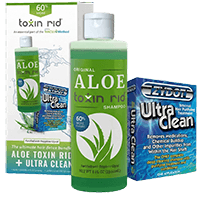
- Highly effective for drug tests
- Effective for heavy users
- Suitable for dreadlocks and dark hair
- Used in Macujo and Jerry G methods.
How Old Style Aloe Toxin Rid Shampoo Works on Hair Drug Metabolites
So how does this specialized toxin rid shampoo actually get inside your hair to clean out old drug traces? The key is its deep-cleansing formula mechanism, which works fundamentally differently than the shampoo in your shower.
Think of it this way: a regular shampoo is like wiping down the outside of a sealed container. It cleans the hair’s surface, the cuticle, of dirt and oil. Old Style Aloe Toxin Rid is engineered to be a deep-cleaning solvent. Its job is to open that container—the hair shaft—and flush out what’s trapped inside.
Here’s the advantage: drug metabolites like THC-COOH aren’t sitting on your hair; they’re locked inside the hair’s inner layer, the cortex, bound within the keratin protein as your hair grows. This shampoo’s chemical process is designed to reach them.
The old style aloe toxin rid shampoo ingredients are the tools for this job. Let’s break down the core team:
- Propylene Glycol: This is your primary penetration enhancer. It softens and slightly lifts the hair cuticle, creating a pathway for the other cleansers to get inside.
- EDTA (Ethylene Diamine Tetraacetic Acid): A chelating agent. Think of it as a magnet that binds to drug residues and mineral deposits, pulling them out of the cortex and into the rinse water.
- Sodium Thiosulfate: A reducing agent that helps neutralize and escort those bound compounds away during the rinse.
- Citric Acid: Balances the formula’s pH to optimize the opening of the cuticle without causing immediate, severe damage.
- Aloe Barbadensis Leaf Extract: The peacekeeper. It helps soothe and maintain moisture on your scalp, which is crucial because this process is repeated.
The critical difference is the target. Regular shampoos use mild surfactants for surface cleaning. This formula uses aggressive surfactants combined with those penetration enhancers to strip contaminants from deep within. It’s not a one-wash miracle; the science relies on a cumulative “washout” effect. Each application works to dissolve another layer of metabolites embedded over the past 90 days.
Important Caveat: No product can guarantee a 100% pass rate for every person. Efficacy depends on your hair type, porosity, and the initial level of contamination. However, by understanding this ingredient-level mechanism, you see why a specialized, deep-cleansing approach is your best tactical bet over surface cleaners.
Knowing how it works is the foundation. The logical next question is, how do you actually apply it for your specific hair type and situation? That’s where the execution protocol comes in.
Step-by-Step Wash Protocol: Head Hair, Body Hair, and Day-of Prep
Alright, now that you understand the why behind the formula, let’s get into the how. This is your core execution playbook—the exact, step-by-step protocol for applying Old Style Aloe Toxin Rid to maximize metabolite removal while managing the stress on your scalp.
Think of this as a tactical checklist. Following it precisely is your biggest lever for success.
The Standard Protocol for Head Hair
This is the foundational process for every wash. Consistency here is non-negotiable.
- Prep Your Hair: Start by thoroughly wetting your hair with warm or lukewarm water. This helps open up the hair cuticle, allowing the shampoo’s active ingredients to penetrate deeper. Avoid hot water—it can strip natural oils and irritate your scalp.
- Apply Generously: Use a palm-sized amount of the shampoo. Focus your application on the first 1.5 to 2 inches from the scalp, as this is where the metabolites from your bloodstream are most concentrated.
- Massage, Don’t Scratch: Using your finger pads (not your nails), work the shampoo into your scalp for a solid 1 to 3 minutes. This mechanical action helps the formula reach the hair shaft.
- Let It Dwell: This is a critical step many rush. After massaging, leave the shampoo on your hair for 10 to 15 minutes. This “dwell time” is what allows ingredients like propylene glycol and EDTA to bind to and dissolve the metabolites trapped in the cortex.
- Rinse Thoroughly: Use lukewarm water to rinse until your hair feels completely clean and free of any residue.
Adjustments for Heavy Users & Specialized Hair Types
The standard protocol is your baseline. If you’re a heavy, long-term user or have thick hair, you need to increase the frequency and precision.
- Frequency Targets: For moderate to heavy users, aim for a total of 10 to 15 washes leading up to your test.
- Time-Based Scheduling:
- 7-10 Days Out: Perform 1 to 2 washes per day.
- 3-6 Days Out: Increase to 2 to 3 washes per day, but space them at least 8 hours apart to give your scalp time to recover.
- For Thick, Long, or Textured Hair: You must ensure every strand is coated. Section your hair into quadrants during application. After lathering, use a wide-tooth comb to distribute the shampoo from root to tip evenly.
- For Oily Scalps: Pre-wash with a standard clarifying shampoo to remove surface oils. This clears the path for the Aloe Toxin Rid to work directly on the hair shaft.
Body Hair Application Protocol
If testers take hair from your arms, legs, chest, or beard, don’t panic. Body hair is a viable alternative, but note: it has a slower growth rate, so it can provide a detection window of up to 12 months.
The application is similar. Apply the shampoo to the target area (chest, arms, legs), lather, and allow the same 10 to 15 minute dwell time before rinsing. Be mindful that underarm (axillary) hair can sometimes be excluded from testing due to contamination risks from sweat.
The Critical Day-of Prep: Zydot Ultra Clean
Using Old Style Aloe Toxin Rid gets you 90% of the way. The final 10% is a dedicated day-of purifier. This is where you combine with Zydot Ultra Clean.
Timing is everything: Use Zydot within 24 hours of your test, ideally as the very last wash after your final Aloe Toxin Rid session.
The process is a strict four-step sequence:
- Shampoo (Packet #1, Half): Apply half of the shampoo packet, massage for 10 minutes, and rinse.
- Purifier (Packet #2): Apply the entire purifier packet. Comb it through with a brand-new comb to avoid recontamination. Let it sit for 10 minutes, then rinse.
- Shampoo (Packet #1, Remaining Half): Apply the rest of the shampoo, massage for 10 minutes, and rinse.
- Conditioner (Packet #3): Apply the conditioner, leave it on for 3 minutes, and rinse.
Post-Wash Maintenance: Don’t Undo Your Work
After each wash, you must prevent recontamination. Use clean towels, a new comb, and fresh pillowcases. Avoid old hats, hoodies, or headrests you used before starting the protocol. On test day, air-dry your hair or use a cool setting—no styling products, oils, or leave-in conditioners.
Following this protocol meticulously gives you the highest probability of stripping metabolites. However, even a perfect plan can be undermined by simple, avoidable errors. Understanding these common failure points is just as crucial as the steps themselves.
Scalp Health Check: Safety Signs to Watch Between Wash Cycles
So the key to executing this protocol without causing lasting damage is a mandatory pre-flight check before every single wash cycle. Think of this as your personal safety audit. The goal is to strip metabolites, not your scalp’s ability to heal. Here’s your mini-checklist.
Your Pre-Wash Safety Audit
Run through these checkpoints before you mix your next batch of cleansers.
- The “Sting Test”: Apply a small amount of water and a dab of your shampoo to a discreet area of your scalp. A mild, temporary tingle is one thing. A sharp, persistent burning sensation is a red flag. That sting means your skin barrier is compromised, and nerve endings are exposed. If you feel that, you must shorten your dwell time to 8–10 minutes or pause the protocol entirely.
- Visual Damage Scan: Use a mirror and good lighting. Look for open sores, localized blistering, or severe redness—these are signs of a chemical burn, not just irritation. Pay special attention to your hairline and behind your ears, where acidic solutions (like vinegar) and detergents can cause contact dermatitis.
- Barrier & Texture Audit: Run a clean finger across your scalp. Does it feel unusually tight or look excessively flaky? That’s a sign your lipid barrier is stripped, leading to water loss. Also, watch for any unusual weeping or inflammation, which could signal a secondary infection from repeated cycles.
- Collection Zone Check: Remember, a collector cannot legally take hair from an area with open sores, infection, or severe dermatitis. If your scalp fails this visual check, your head hair sample could be disqualified, forcing them to use body hair—which is often older and more contaminated.
- Threshold Symptoms for a Hard Pause: You must stop immediately if you notice skin breaks, if burning escalates beyond a manageable tingle, or if you see any allergic reactions like rashes or hives. This is especially critical if you have sensitive skin, eczema, or psoriasis.
Note: Your scalp needs recovery time. If you have a test in a week, you can’t run a punishing cycle every day. Listen to your body. A day of rest with a gentle, moisturizing conditioner can be the difference between a healthy scalp and a disqualifying injury. The protocol is a marathon, not a sprint to burn your skin.
- Highly effective for drug tests
- Effective for heavy users
- Suitable for dreadlocks and dark hair
- Used in Macujo and Jerry G methods.
Common Mistakes That Cause Hair Drug Test Failures
So you’ve done the washes, endured the process, and still see people failing. The fear is real: “What if I do everything right and still fail?” The truth is, success depends as much on avoiding critical pitfalls as it does on following the wash steps. Many negative reviews and failures stem from these specific, preventable errors.
Let’s break down the most common failure points and exactly how to sidestep them.
Mistake #1: Cross-Contamination from Old Items
Your hair can re-absorb drug residues from contaminated surfaces. Handling old hats, pillows, or clothing worn during use can transfer metabolites back onto your clean hair via sweat and sebum. Cocaine powder, for example, is notoriously volatile and can contaminate surfaces easily.
- Mitigation: Before your final washes, clean or quarantine all head-contact items. Wash pillowcases in hot water. Avoid wearing old hats or beanies. Think of it as creating a clean zone for your hair to live in after you’ve cleansed it.
Mistake #2: Incomplete Detox from Stopping Too Soon
This shampoo works by penetrating the hair shaft over multiple applications. Using fewer than 10-15 total lathers, or rushing the “dwell time” (leaving it on for less than 10 minutes per wash), means the active ingredients don’t have enough contact time to bind to and remove deeply embedded metabolites.
- Mitigation: Adhere strictly to the full cycle. Set a timer for 10-15 minutes during each application. Don’t cut the marathon short because your scalp feels fine; the chemistry needs time to work.
Mistake #3: The “Body Hair Trap” for Bald or Short-Haired Users
If your head hair is shorter than 1.5 inches, the collector will take hair from your body—arms, legs, chest, or underarms. Body hair grows slower, providing a detection window of up to a year. Shaving your head to avoid this doesn’t work; it can be treated as a refusal to test.
- Mitigation: If your head hair is short, you must apply the detox protocol to potential body hair collection sites. Treat your arms and legs with the same diligence as your scalp. This is a non-negotiable step for bald or buzz-cut users.
Mistake #4: Lab Flags from Over-Processed or Damaged Hair
Labs are trained to spot hair that’s been aggressively bleached or chemically fried. Visible damage, scalp burns, or extreme porosity changes are red flags that can lead them to reject your sample or request a different test type. Methods like the Macujo can cause this damage.
- Mitigation: Monitor your scalp health. The goal is deep cleansing, not chemical warfare. If you notice significant redness, burning, or scabbing, you must pause and allow recovery. A moderately cleansed, healthy-looking sample is far more credible than a fried one.
Mistake #5: Missing the “Target Zone” at the Scalp
Labs analyze the 1.5 inches of hair closest to your scalp. If you don’t meticulously section your hair and massage the shampoo directly into this root zone, you’re cleaning the wrong part of the strand and leaving the most recent—and most detectable—metabolites untouched.
- Mitigation: Use clips to section your hair. Apply the shampoo directly to the roots and use vigorous finger massage to ensure saturation of the proximal segment. Don’t just lather the ends.
Understanding these pitfalls explains a lot of the conflicting advice online. It also raises a fair question: given these specific risks and the required diligence, is this specialized shampoo actually worth it compared to cheaper DIY methods or other brands?
Old Style Aloe Toxin Rid vs. Alternatives: What Works and When
So the key question becomes: given the cost and effort, why not just use a cheaper alternative or a DIY method? The answer isn’t about which option is “best” in a vacuum—it’s about which tool matches your specific risk profile, timeline, and budget.
Let’s break down the real-world trade-offs. Here’s how Old Style Aloe Toxin Rid stacks up against the most common alternatives.
Old Style Aloe Toxin Rid vs. The New “Aloe Toxin Rid” (Nexxus)
This is the most critical comparison. The names are similar, but the products are not.
- Feature Difference: The original Old Style formula is built around propylene glycol and a proprietary microsphere technology designed for deep penetration into the hair cortex. The newer Nexxus version is reformulated as a heavy conditioner, packed with avocado and soybean oils.
- The Advantage of Old Style: It’s engineered to reach metabolites trapped inside the hair shaft. The Nexxus version prioritizes nourishment and surface-level conditioning, making it ineffective for deep detox.
- The Trade-off: You’ll pay a premium ($134–$235) for the original, validated formula. The Nexxus version is cheap ($20–$60), but for a high-stakes test, it’s essentially buying a fancy conditioner. If you’re using the Macujo Method, only the Old Style formula is proven to work with it.
Old Style Aloe Toxin Rid vs. Generic Detox or Clarifying Shampoos
- Feature Difference: generic detox shampoos or clarifying shampoos rely on strong surfactants (like sulfates) to strip away surface oils, product buildup, and environmental pollutants. Old Style uses solvents to target the hair’s internal structure.
- The Advantage of Old Style: It can penetrate the hard outer cuticle layer to flush out embedded toxins. A clarifying shampoo cleans the exterior, but leaves the internal metabolites—the very things the lab is testing for—completely intact.
- The Trade-off: Clarifying shampoos are safe, cheap, and great for regular hygiene. But there’s no evidence they alter lab-detectable drug levels. They solve a different problem.
Old Style Aloe Toxin Rid vs. The Macujo Method (DIY Acid Stack)
This isn’t really an “either/or” for heavy users. They’re often used together.
- Feature Difference: The Macujo Method uses household acids (vinegar, salicylic acid) to forcibly pry open the hair cuticle. Old Style Aloe Toxin Rid is then used as the cleansing agent to flush out the exposed metabolites.
- The Advantage of Old Style: When used in the Macujo protocol, it’s the active cleansing engine that makes the painful prep work worthwhile. The method’s reported 90%+ success rate for chronic users is predicated on using this specific shampoo.
- The Trade-off: The Macujo Method is time-intensive (2-3 hours per cycle) and physically uncomfortable, causing scalp stinging. But combining it with Old Style is the highest-reliability strategy for a heavy user with a short timeline.
Old Style Aloe Toxin Rid vs. The Jerry G Method (Bleach/Dye)
- Feature Difference: The Jerry G Method uses double bleaching and ammonia-based dyes to chemically break down and strip the hair cortex. It’s an aggressive, structural attack on the hair itself.
- The Advantage of Old Style: It aims to cleanse the hair, not destroy it. Bleaching can reduce metabolite concentrations by 40-80%, but it also causes severe breakage and damage that lab technicians are trained to spot as a red flag for tampering.
- The Trade-off: Jerry G is more budget-friendly ($100–$150 total) but carries a high risk of making your hair look fried and suspicious. It’s a higher-risk, lower-cost gamble.
Old Style Aloe Toxin Rid vs. “Test Day” Shampoos (Zydot, High Voltage)
- Feature Difference: Zydot Ultra Clean is a surface-level purifier. High Voltage Folli-Cleanse claims a short-term effect window (36 hours). They are designed for final cleanup.
- The Advantage of Old Style: It’s the foundational, deep-cleansing workhorse used in the days and weeks before the test. You use it to strip the metabolites out of the cortex.
- The Trade-off: These are supplements, not replacements. Think of it this way: Old Style does the deep cleaning during your prep. Zydot is the final rinse you use on test day to remove any last residues from the surface or your scalp. They serve different phases of the process.
The Quick Decision Guide
- For Heavy/Chronic Users: Your best shot is Old Style Aloe Toxin Rid integrated into a Macujo Method protocol (10–15 cycles).
- For a Short-Notice Test (1–5 days): The Macujo Method with Old Style is the primary, action-focused recommendation.
- If You’re Budget-Constrained: The Jerry G Method is lower cost, but you must accept the higher risk of hair damage and potential lab suspicion.
- For Light/Infrequent Users or Surface Cleanup: A product like Zydot Ultra Clean might suffice, but it carries more uncertainty.
The core differentiator is reliability under pressure. Cheaper methods trade cost for increased risk—risk of failure, risk of detection, or risk of severe hair damage. Old Style Aloe Toxin Rid is the specialized tool designed for a specific, high-stakes job.
- Highly effective for drug tests
- Effective for heavy users
- Suitable for dreadlocks and dark hair
- Used in Macujo and Jerry G methods.
Old Style Aloe Toxin Rid Reviews: Patterns in Real-World Results
When you’re searching for an “aloe rid shampoo review,” you’re looking for one thing: proof from real people. You want to know if this expensive bottle actually works when your job or freedom is on the line. The internet is a storm of conflicting anecdotes, so let’s cut through the noise. Based on a synthesis of user-reported data, clear patterns emerge that separate credible success stories from likely failures.
Patterns in Successful Passes
The evidence-based results point to a specific user profile achieving the highest success rates. Verified buyer patterns show high success—often cited above 90%—when the shampoo is used as a core component of an intensive protocol like the Macujo Method. The successful profile typically looks like this:
- User Profile: A light to moderate user with a 7-to-10-day preparation window.
- Protocol Adherence: They followed a strict wash regimen, typically 10–15 total washes over 3 to 10 days, without skipping steps like the vinegar soak.
- Hair Type: Success is reported across diverse hair types, including dense, coily (4C) hair and dreadlocks, provided the hair was properly sectioned and saturated during application.
For heavy, daily users of cannabis or stimulants, the pattern shifts to “extreme measures.” Reports of passing often involve compressed, intensive timelines—like 15 washes in 2 days—combined with bleaching and dyeing. This isn’t the gentle path, but it’s a documented pattern for high-stakes scenarios.
Common Failure Patterns and Red Flags
Just as important as knowing what works is understanding why it sometimes doesn’t. The most common failure patterns are preventable:
- The Body Hair Trap: A major red flag in negative reviews is when a user reports failing after the test used body hair (armpit, leg, chest). Body hair has a different growth cycle and can retain metabolites for up to a year, making it notoriously harder to cleanse. The shampoo is designed for head hair.
- The Compressed Timeline Mistake: Heavy users attempting a 0-to-2-day protocol with fewer than 10 applications frequently report failure. The method requires time and repetition to work.
- The “Partial Wash” Problem: Skipping steps in a stacked protocol—like omitting the vinegar pre-soak or Tide detergent wash—significantly reduces efficacy. The process is a chemical sequence; removing a link breaks the chain.
How to Spot a Credible Review vs. a Suspicious One
Your skepticism is a tool. Here’s how to use it to evaluate any “old style aloe toxin rid review”:
- Look for Specifics: A credible success story details their usage history, exact wash count, protocol steps followed, and timeline. A review that just says “it worked!” or “scam!” with no detail is less reliable.
- Check for Proof of Use: Savvy reviewers note the importance of showing an empty bottle. A review that complains the product didn’t work but shows a full bottle in a photo raises questions about actual use.
- Identify Misuse: Many negative reviews, upon closer inspection, reveal a clear reason for failure—like attempting to use it on body hair the day before the test or buying from a sketchy third-party seller.
So, the key takeaway from the review patterns is this: The product’s reputation for reliability is built on strict adherence to a proven, intensive protocol. It is not a magic one-wash solution. The real-world data suggests it’s a powerful tool, but its effectiveness is directly tied to how precisely you wield it.
This leads directly to a critical point: many failures and angry “scam” reviews aren’t about the formula itself, but about the product’s authenticity. A huge pattern in negative reports links back to counterfeit bottles. This makes where you buy it just as important as how you use it.
Where to Buy Old Style Aloe Toxin Rid and Avoid Counterfeits
So the first step in taking action is securing the right tool. If you’ve decided this product is your best bet, you need a verified acquisition checklist. Here’s exactly where to buy and how to avoid getting burned.
Your Secure Acquisition Checklist
Follow this list to protect your investment and ensure you get the authentic formula.
- Buy ONLY from the Verified Source: TestClear.
The exclusive authorized seller is TestClear. This is non-negotiable. The product is a recreation of the original, discontinued Nexxus Aloe Rid formula, and TestClear holds the rights to it. Searching for “aloe toxin rid shampoo near me” in a local store is a dead end. Local retail availability isn’t supported; this is an online-only purchase from a specialty vendor. - Benchmark the Price: Expect $130-$235.
The standard price for a single 5 oz bottle ranges from $130 to $235. Combo kits with Zydot Ultra Clean often run $170 to $235. Yes, the price is high. This is due to its specialized formulation and limited distribution. If you see it for $30 or $50 on a marketplace, you are looking at a fake. The high cost is a painful but real differentiator for an authentic product. - Spot a Fake Bottle: Visual & Physical ID.
Counterfeits are rampant. Here’s how to identify the genuine article:- Texture: The real product is a thick, green gel. Fakes are often thin, runny, or watery.
- Scent: Authentic shampoo has a clean, consistent scent. Reject any bottle with a strong “off” or vinegary odor.
- Packaging: Look for an intact factory seal, a clearly printed lot number, and batch details.
- Label Quality: The printing must be high-resolution. Avoid any labels that are blurred, faded, or misaligned.
- Understand Shipping Time & Options.
Plan for shipping costs to add 10-20% to your total. For tight testing windows, TestClear offers expedited shipping options. Do not wait until the last minute. Factor in this lead time when you search “where to buy old style aloe toxin rid shampoo.” - If You Can’t Afford It: Do NOT Buy a Fake.
A cheaper, diluted counterfeit guarantees failure and wastes your money. If the authentic bottle is out of budget, your risk-mitigated alternative is to use a dedicated, single-use detox shampoo like Zydot Ultra Clean ($35-$36) on its own. It’s a different tool for a different budget, but at least it’s a real one. Buying a fake Old Style Aloe Toxin Rid is the worst possible trade-off.
Hair Drug Test FAQs: Myths, Lab Detection, and Real Timelines
So let’s tackle the nuanced questions—the ones that cause the most anxiety and keep you up at night. These are the advanced details where clarity is your biggest advantage.
Q: How far back does a hair drug test really go?
A: The standard is a 90-day window. Labs analyze the closest 1.5 inches of scalp hair to your head, based on an average growth rate of about half an inch per month. However, drugs take 5-10 days to enter the hair follicle via your bloodstream and grow above the scalp. So, if you used something a week ago, it might not be in the collectible sample yet. The test is designed to identify chronic or repetitive use patterns, not a single instance from last weekend.
Q: Can the lab detect that I used aloe rid shampoo or another detox method?
A: No, labs are not testing for the presence of Old Style Aloe Toxin Rid. That’s a common lab detection myth. What they are monitoring for is unusual chemical damage or inconsistent metabolite ratios that scream “tampering.” For example, heavy bleaching leaves oxidative biomarkers (like PTCA) that can flag a sample as “treated.” The advantage of a targeted, deep-cleansing formula is that it aims to remove metabolites without leaving the obvious, fried-hair signatures of DIY acid baths.
Q: I smoked/used very recently. Is passing a hair drug test with aloe rid even possible?
A: Yes, but it’s about targeting existing deposits, not erasing last night. The metabolites from recent use are still in your bloodstream and haven’t fully integrated into the hair shaft yet. The shampoo’s core job is to leach out the metabolites already locked in your hair cortex from past use. So, while you need to stop using immediately, the product’s efficacy isn’t dependent on months of abstinence. It works on the historical record in your hair.
Q: I’m bald or they want body hair. Am I screwed?
A: Not necessarily, but the game changes. If you have no head hair, collectors will take hair from your chest, underarms, legs, or back. Body hair grows much slower, so it can hold a detection window for up to 12 months. The same deep-cleansing principle applies, but the application is more challenging and requires meticulous attention to every area. Shaving everything is a risky gamble; if no hair is available, they may report it as a refusal or demand an alternate test like urine.
Q: Can I just use vinegar, bleach, or Tide and save the money?
A: This is the ultimate cost-effectiveness question. While household items are cheap, the scientific evidence shows they generally fail to penetrate the hair cortex to remove embedded metabolites. They might damage the outer cuticle, but they don’t provide the forced washout of internal deposits. For those wanting to leave nothing to chance, the shampoo is a precision tool. It can also be part of a more aggressive multi-method strategy, which we’ll get into next.
The key takeaway is that knowledge reduces fear. Understanding these real timelines and lab realities lets you focus your energy on a proven plan.
Combining Old Style Aloe Toxin Rid with Macujo and Jerry G Methods
If you’re a heavy, daily user or you’re facing a test where they might take body hair, relying on the shampoo alone can feel like a big gamble. The reality is, for the highest-stakes scenarios, you might need to leverage a more aggressive, multi-method attack. This is where “stacking” comes in—using Old Style Aloe Toxin Rid as the chemical core within intensive protocols designed to force metabolites out.
Think of it like this: the shampoo is the specialist cleaner, but methods like Macujo or Jerry G are the demolition crew that first breaks down the walls (your hair cuticle) so the specialist can get inside and do the deep work. The trade-off is significant physical stress on your hair and scalp, but the potential payoff is a much higher reduction in metabolite levels.
The Macujo Method: Acidic Cuticle Lifting
This is the more common stacking protocol. It uses acidic household products to forcibly lift the hair cuticle, allowing the shampoo’s cleansing agents to penetrate the cortex more effectively.
Here’s how you integrate Old Style Aloe Toxin Rid into the Macujo method process:
- Initial Wash: Start with a standard wash using the shampoo.
- Baking Soda Paste: Massage a paste of baking soda and water into your hair for 5–7 minutes. Rinse.
- Salicylic Acid Saturate: Apply a 2% salicylic acid astringent (like Clean & Clear). Protect your hairline with Vaseline, wear a shower cap for 30 minutes, then rinse.
- Tide Detergent Scrub: Use a small amount of Liquid Tide detergent to scrub your hair for 3–7 minutes. Rinse thoroughly.
- Second Shampoo Wash: Wash again with Old Style Aloe Toxin Rid.
- Vinegar Saturate: Saturate hair with plain white vinegar. Do not rinse.
- Second Astringent Layer: Apply another round of the salicylic acid astringent over the vinegar. Wait another 30 minutes.
- Second Tide Scrub: Repeat the Tide detergent scrub and rinse.
- Final Shampoo Wash: A final wash with the shampoo to remove all residue and odor.
Frequency is key: Light users might need 5–8 total cycles over several days. Heavy users may require 10–15 cycles. It’s a demanding process.
The Jerry G Method: Chemical Stripping via Bleach & Dye
This method is more extreme. It uses bleach and ammonia-based permanent dye to permanently damage the hair shaft, aiming to release trapped metabolites.
- Bleach & Dye: Bleach your hair, then immediately apply a permanent, ammonia-based dye. Wash thoroughly with Old Style Aloe Toxin Rid.
- Wait & Repeat: Wait 10 days, then repeat the entire bleach, dye, and shampoo wash process.
- Test Day Prep: On the day of the test, apply a baking soda paste for 15 minutes, then do a final wash with the shampoo.
Note: This method requires a minimum of 10–15 days and visibly alters your hair color and texture, which can sometimes prompt testers to take body hair instead.
The Critical Trade-Off: Scalp Damage & Safety
This is the non-negotiable cost of stacking. Both methods can cause severe scalp irritation, including redness, stinging, chemical burns, and dermatitis. The Jerry G method, in particular, leads to extreme dryness, breakage, and split ends.
To mitigate damage:
- Always apply Vaseline to your hairline, ears, and neck before acidic steps.
- Wear goggles and gloves to prevent chemical contact burns.
- Never use these intensive methods on body hair (armpits, chest, legs)—the skin is far more sensitive and prone to severe reaction.
Who should avoid stacking?
If you have a sensitive scalp, eczema, psoriasis, or open sores, these aggressive chemical protocols are likely too risky. The physical damage could be permanent and will certainly be obvious to a lab technician, who may flag the hair as “tampered.”
The core differentiator here is risk tolerance. Stacking provides a more aggressive path for those willing to endure the pain and potential damage to maximize their chances. It turns the shampoo from a standalone tool into the final, crucial step in a multi-day assault on metabolite levels.
Out of Time or Money: Realistic Options for Last-Minute Scenarios
So you’re out of time, or you’re completely broke. The test is tomorrow, or the shampoo’s price tag is simply out of reach. This is the “break glass in case of emergency” chapter. The strategies here are not gentle, and they are not guaranteed. They are realistic action plans for absolute worst-case scenarios, built on the harsh trade-offs of speed, cost, and physical toll.
Let’s map this out like a decision tree. Your situation dictates the path.
Scenario 1: No Time (24–48 Hours) – The Aggressive Sprint
If your test is in one or two days, you’re in a sprint. The goal shifts from perfect cleansing to maximum possible metabolite reduction. The tool here is an aggressive, compressed version of the Macujo method, using household acidic agents to force the hair cuticle open.
The core mechanism is simple: use acid (vinegar, salicylic acid) to pry open the hair’s protective layer, then use surfactants (like detergent) to try and flush the cortex. A sample “emergency” protocol, often called “Mike’s Macujo,” looks like this:
- Initial Prep: Start with a wash using Old Style Aloe Toxin Rid to remove surface oils.
- Acidic Assault: Apply a baking soda paste to prep the hair shaft, then saturate with plain white vinegar. Do not rinse.
- Deep Penetration: Layer Clean & Clear astringent (2% salicylic acid) over the vinegar. Let this sit under a shower cap for 30-60 minutes.
- Abrasive Scrub: Work in a small amount of Liquid Tide detergent to create friction. Rinse.
- Repeat: You’ll need to cycle through this acidic wash and scrub process multiple times—potentially 10-15 cycles in 48 hours for a heavy user.
The brutal reality: This will likely cause significant scalp irritation, burning, and potential chemical burns. You must protect your hairline and ears with Vaseline and consider goggles. The physical cost is high, but for someone with no time, it’s the only aggressive play left.
Scenario 2: No Money – The High-Risk DIY Route
If you can’t afford the specialty shampoo, you’re looking at a purely chemical DIY regimen. The most potent, and most damaging, free alternative is the Jerry G Method, which hinges on bleaching and dyeing.
The strategy is to use bleach to violently open the hair shaft and break down metabolites, then immediately re-dye it with a permanent, ammonia-based dye to continue the stripping process. A single bleach cycle can reduce metabolite concentrations by 40-80%, according to some user reports.
The harsh trade-offs are severe:
- Physical Damage: This will fry your hair, causing extreme brittleness, breakage, and split ends. You will likely have visible, obvious damage.
- Detection Risk: Lab technicians are trained to spot chemically treated hair. Obvious bleach damage can flag your sample as “adulterated,” leading to an automatic failure or a retest demand.
- The Process: The steps are bleach, rinse, immediately re-dye, and then on test day, use a baking soda paste and a final deep-cleanse wash. It’s a last-ditch effort that trades hair health for a chance at a clean result.
Scenario 3: The Body Hair Test – A Near-Impossible Challenge
This is often the scenario that feels most hopelessness. If you’re bald or have very short hair, collectors will take hair from your chest, legs, arms, or beard. Here’s why this is so difficult:
Body hair grows slower and stays in a dormant phase much longer. A leg hair sample can reflect drug use from several months to a full year back. Furthermore, metabolite concentrations are often statistically higher in body hair than in head hair for certain substances.
The one desperate tactic: Apply the same aggressive Macujo-style washes (vinegar, salicylic acid, detergent) to the body hair area over multiple days. However, the skin on your body is far more sensitive than your scalp. The risk of severe dermatitis, rashes, and chemical burns is extremely high. Shaving is not a solution—collectors are trained to move to another body site if the primary one is unavailable.
The critical safety note for all scenarios: Any drug use during or within 12-24 hours of starting these protocols will recontaminate your hair, undoing all the painful work. You must remain completely abstinent.
These are grim options, born of desperation. For a more comprehensive strategy guide that balances efficacy with safety, reviewing a full overview of how to pass a hair drug test can provide a clearer framework for your specific timeline and resources. The core lesson here is that when time or money vanishes, the risk—to your scalp, your hair’s appearance, and your test’s validity—skyrockets.
Is Old Style Aloe Toxin Rid Worth It? A Decision Matrix
So the core value of Old Style Aloe Toxin Rid is that it’s a specialized tool for a specific, high-stakes problem. It’s not a magic bullet, but a deep-cleansing instrument designed for a serious job. The key is matching it to the right scenario.
Think of it like this: you wouldn’t use a sledgehammer to hang a picture frame. The same logic applies here. Use the following cheatsheet to decide if this is the right tool for your situation.
It is the recommended choice if:
- You have 5+ days (ideally 10 or more) to complete multiple wash cycles.
- You can comfortably afford the ~$160 investment without straining your budget.
- Your test will use head hair (the standard 1.5-inch sample).
- You are a moderate to heavy user, or have significant past exposure.
- You are combining it with an advanced protocol like the Macujo Method for maximum impact.
- Highly effective for drug tests
- Effective for heavy users
- Suitable for dreadlocks and dark hair
- Used in Macujo and Jerry G methods.
It is not the best use of your money if:
- Your test is in less than 48 hours. The protocol needs time.
- You are bald or the test will use body hair (legs, arms). The formula isn’t validated for that.
- You are a very light or infrequent, one-time user. A cheaper, single-use option may suffice.
- You have a severe scalp condition like psoriasis or open wounds.
- You can only source it from unverified sellers like Amazon or eBay, where counterfeits are common.
Use this cheatsheet to assess your specific situation. If you fit the recommended profile, source the authentic product immediately and follow the protocols exactly.