
Best Synthetic Urine: Expert Guide & Trusted Reviews 2026
So the key to navigating a high-stakes drug test in 2026 is understanding your tools. And the most critical one is synthetic urine.
Let’s break down what it is. In simple terms, it’s a laboratory-made liquid designed to perfectly mimic the look, chemical makeup, and properties of real human urine. Its primary function is straightforward: you use it as a substitute sample to bypass the detection of any drug metabolites, like THC, in your system.
Now, you might wonder about using a friend’s clean sample. The difference is safety and reliability. Synthetic urine is sterile—it’s free from the bacteria, pathogens, or diseases that can be in organic urine. It’s also chemically stable, with a shelf life of years, whereas real urine degrades quickly. High-quality synthetics are engineered with specific components like urea, creatinine, and uric acid to pass validity checks, and advanced formulas are biocide-free to avoid detection by modern labs.
This is why it’s become the go-to solution. The unfair reality is that THC clings to fat cells for weeks or months, creating a stressful, urgent situation where your job or freedom is on the line. Synthetic urine offers a reliable, fast-acting answer.
But here’s the critical point for 2026: the landscape isn’t static. Drug testing labs are constantly updating their methods to spot fakes. So the question isn’t just what synthetic urine is today, but how this technology is evolving to meet tomorrow’s detection standards.
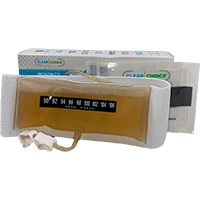
- All you need to pass your test in one kit.
- It will pass specimen validity tests.
- Labs cannot tell that it’s synthetic.
- Invisible under clothes.
- Maintains perfect temperature.
How Drug Testing Labs Are Evolving and What It Means for Synthetic Urine
So the question isn’t just what synthetic urine is today, but how this technology is evolving to meet tomorrow’s detection standards. Let’s break down exactly what’s changed in the lab and why it matters for your choice.
The New Gatekeeper: Specimen Validity Testing (SVT)
Here’s the first thing to understand: a standard 5-panel or 10-panel drug test does not look for fake urine. It only looks for drug metabolites. However, that test is almost always preceded by a mandatory gatekeeper called Specimen Validity Testing (SVT).
Think of SVT as the lab’s first line of defense. Its sole job is to answer one question: “Is this sample consistent with normal human urine?” If the answer is no, your sample is flagged before the drug test even runs. This is now standard practice at major labs like Quest, LabCorp, and collection sites like Concentra, especially for any federally regulated (DOT) or safety-sensitive job.
What Modern Labs Are Actually Checking For
The SVT process has become incredibly sophisticated. It’s not just a visual check anymore. Here are the key parameters that can get your sample rejected:
- Temperature: This is checked within 4 minutes of collection. The sample must be between 90°F and 100°F. If it’s outside this range, it’s an automatic fail. This is the single most common reason for rejection on-site.
- Creatinine Levels: This is a waste product found in human urine. Labs measure it precisely. If your sample’s creatinine is below 2 mg/dL, it’s flagged as “substituted”—meaning it’s not human.
- Specific Gravity: This measures the density of dissolved particles in the urine. Using a refractometer, labs check if it falls within the normal human range of 1.002 to 1.030. Values outside this, especially when paired with low creatinine, are a major red flag.
- pH Balance: Normal human urine has a pH between 4.5 and 8.0. Labs will flag anything that’s extremely acidic or alkaline as “adulterated.”
- Oxidizing Adulterants: They specifically test for chemicals people have used to try to cheat, like nitrites, chromates, bleach, or glutaraldehyde.
The Advanced Detection: Biocides and Human Markers
This is where the arms race has really stepped up. Leading labs are now equipped to detect the subtle tells of a synthetic product.
- Biocide Detection: Many older or cheaper synthetic urines use preservatives (biocides) like Benzisothiazolinone or Sodium Azide to extend shelf life. Labs now screen for these. If they find them, your sample is immediately flagged as non-human.
- Missing Human Biomarkers: Advanced testing can identify the absence of natural compounds that are always present in real urine, such as urobilinogen (a byproduct of red blood cell breakdown) or trace amounts of cortisol. Some labs even check for lifestyle markers like cotinine (from nicotine) or caffeine metabolites. A complete absence of these can trigger suspicion.
- Pattern Recognition: This is a newer threat. Some lab informatics systems are starting to flag samples with “textbook perfect” values. Human urine has natural, slight variations in its chemical profile. A synthetic sample that hits every single parameter dead-center in the middle of the normal range can itself look suspiciously artificial.
What This Means for Synthetic Urine Fail Stories
You’ve probably read online stories about people failing with certain brands. When you see a post saying the result came back as “not consistent with human urine” or “adulterated,” it’s almost always because of one of the SVT parameters listed above. The sample either had the wrong temperature, lacked creatinine, contained a detectable biocide, or failed another validity check.
For example, a user might report that “UPass doesn’t work for labs anymore… came back as an altered test.” That failure isn’t because the lab “detected” the brand name; it’s because the formula likely failed one of these specific chemical validity checks that labs now routinely perform.
The Bottom Line for Your Choice
The key takeaway is this: the lab’s goal is to verify the sample is human. Your synthetic urine’s goal is to perfectly mimic human urine in every measurable way that a validity test checks. The old formulas that worked five years ago are getting caught because they weren’t built for this level of scrutiny.
So the critical question becomes: what science and components are inside a modern synthetic urine that allow it to pass these advanced checks? Understanding these new detection standards is exactly what you need to know to evaluate what actually makes a product work today. That’s the science we’ll unpack next.
The Science Behind Modern Synthetic Urine: Components and How They Work
So, does synthetic urine still work in 2024 through 2026? The short answer is yes—but only if it’s built with the right science. Think of it like this: labs are now checking for a specific chemical recipe. If your substitute is missing a key ingredient or has the wrong proportions, it gets flagged. Modern, premium formulas are engineered to pass these exact checks.
Let’s break down the core components in simple terms. It’s not just salty water; it’s a precise replica.
The Essential Chemical Recipe
For a sample to pass as real, it needs these key elements in the right amounts:
- Urea: This is the main ingredient, like the flour in a cake. It makes up almost half of the solids in real urine. Early fakes skipped this, so labs test for it first.
- Creatinine: Your muscles constantly produce this waste. Labs measure it to see if a sample is too watery (“diluted”) or completely fake. The level has to be just right.
- Uric Acid: This is another natural waste product. Older, cheaper brands left it out, so advanced labs now screen for it to catch those outdated formulas.
- Balanced pH and Salts: Real urine isn’t perfectly neutral. It has a specific acidity and contains minerals like salt and potassium. This gives it the correct electrical properties and density, known as specific gravity.
The “Human” Physical Traits
Beyond the chemistry, the sample has to look and act like the real thing to pass a visual inspection by the collector.
- Color: It needs a natural pale-to-medium yellow, not neon or completely clear like water.
- Foam: When you pour real urine, it often creates a slight foam. Good synthetic formulas include compounds to mimic this froth.
- Smell: Real urine has a mild, distinct odor. An odorless sample can raise a red flag during the collection process.
Powdered vs. Premixed: What’s the Difference?
You’ll mainly see two forms:
- Premixed Liquid: This comes ready to use. The chemical balance is perfect out of the bottle, which minimizes your chance of error. Its downside is a shorter shelf life.
- Synthetic urine powder: This is a dehydrated version you mix with water yourself. It’s great for long-term storage, but if you don’t mix it exactly right, you can throw off the concentration and fail.
Busting Myths and Old Wives’ Tales
You might hear strange advice online. One persistent myth is about using “synthetic pregnant urine” for some special advantage. There’s no scientific basis for this; labs test for specific chemical markers, not pregnancy hormones. Relying on a myth is a fast track to a failed test.
The key difference between today’s formulas and those from 2017-2018 is biocide resistance. Old formulas used preservatives that labs can now easily detect. The best modern products are biocide-free and constantly updated to match the latest lab detection thresholds.
Note: This is why cheap detox drinks or just drinking gallons of water are risky alternatives. They dilute your sample, often leading to a “negative dilute” result that requires a retest. Synthetic urine, when properly formulated, provides a complete, balanced substitute that maintains all the correct ratios.
Understanding this science is your first line of defense. But knowing the components is one thing—choosing a product that actually contains them in the perfect, lab-beating balance is the real challenge. That’s where a practical buyer’s checklist comes in.
A Practical Buyer’s Checklist for Choosing Reliable Synthetic Urine in 2026
So the key to moving from understanding the science to making a smart purchase is having a clear, actionable checklist. This isn’t about hype; it’s about risk reduction. Here’s exactly what to look for in a reliable synthetic urine kit with warmer for 2026.
1. The Formula: Your First Line of Defense
The entire strategy hinges on the formula passing a validity check. Don’t just trust a label; look for these specifics.
- Biocide Resistance: This is the modern differentiator. Prioritize products explicitly labeled “biocide-free.” Labs now screen for common preservatives like sodium benzoate. A biocide-free formula is your first hurdle cleared.
- Complete Chemical Profile: The fake urine kit must contain at least 11 key compounds, including urea, uric acid, and creatinine in the correct human ranges (20-370 mg/dL for creatinine). It must also balance pH (4.5–8.0) and specific gravity (1.003–1.030).
- Annual Updates: The best brands update their formulas yearly to counter new lab validity tests. Check the product’s website or recent reviews for confirmation of a 2025/2026 update.
2. Temperature Control: The Non-Negotiable Detail
This is where most cheap kits fail. Your sample must be between 90°F and 100°F within four minutes of submission. A reliable system has multiple layers.
- Heaters: Look for kits with at least two specialized adhesive heat pads, not generic hand warmers. Hand warmers can spike to 130°F+ and cook your sample. The right pads are calibrated for the 94°F–100°F range.
- Heat Activator Powder: This is your emergency tool for surprise tests or last-minute adjustments. It raises the temperature in seconds without a microwave. A quality kit includes it.
- High-Quality Temperature Strips: The built-in strip must be a high-precision liquid crystal type that clearly displays the 90°F–100°F range. Avoid kits where the strip is known to rub off or is hard to read.
3. Ease of Use & Discretion Under Stress
When you’re nervous, simplicity wins. Your kit should be foolproof.
- Pre-Mixed Liquid: Always choose pre-mixed over powdered formulas. It eliminates mixing errors (like using mineral-heavy tap water) and saves critical time.
- Concealable Design: The bottle should be flat (around 3 oz) and designed to fit securely in a crotch area or stash pocket. This directly addresses the fear of pat-downs.
- Quiet, Spill-Proof Cap: A flip-up spout cap allows for one-handed, quiet pouring. You don’t want a suspicious “snap” or “glug” in a silent clinic bathroom.
4. Price and Value: Cheap vs. Premium Kits
Synthetic urine prices directly correlate with your risk level. Think of it as insurance.
- Budget Kits (~$30–$40): These are a gamble. They often have basic formulas that may contain detectable biocides and typically include only one standard heat pad. The risk of temperature failure or lab detection is significantly higher.
- Premium Kits (~$100): This is where you find the full ecosystem of reliability: advanced biocide-free formulas, dual heating methods (pads + activator powder), and pre-mixed, discreet bottles. You’re paying for a comprehensive risk-reduction system. (Note: Specific wholesale costs for synthetic urine are not publicly standardized, so retail value is based on component quality and brand R&D).
Your Buyer’s Checklist for Heaters and Accessories:
Before you buy, run through this quick list:
- Formula is biocide-free and updated for 2026.
- Includes at least two calibrated heat pads and heat activator powder.
- Temperature strip is clear, high-precision, and durable.
- Bottle is pre-mixed, flat, and has a quiet-pour cap.
- Brand has recent, verified positive reviews (within the last 6 months).
Now that we know what to look for, which products actually meet these strict 2026 standards?
Expert Analysis: Comparing Leading Synthetic Urine Kits for 2026
Based on the established criteria—formula complexity, temperature reliability, and biocide-free composition—this is our independent expert evaluation of the leading synthetic urine kits for 2026. The market has split into two clear tiers: premium systems engineered to pass modern lab scrutiny, and budget options that carry significant, well-documented risks.
So the key differentiator for success in 2026 is a formula that’s both chemically complete and undetectable by current preservative screenings. Let’s break down the top contenders.
The Top Tier: Engineered for 2026 Lab Standards
These two products represent the current peak of synthetic urine technology. Their higher cost is a direct investment in R&D that addresses the exact detection methods labs use today.
#1: The Incognito Belt by Clear Choice
This is the most discreet and reliable system on the market. The incognito belt premixed urine uses an advanced, 11-compound formula that’s meticulously balanced for pH, specific gravity, and creatinine. Critically, it’s biocide-free, which is the primary marker labs now use to flag synthetic samples.
Its major advantage is the delivery system. The medical-grade vinyl bladder bag attaches to an adjustable belt, using gravity and a one-hand release clip. This eliminates suspicious noises and allows for natural, quiet dispensing. The temperature is maintained by two adhesive heat pads and your own body heat, with a high-accuracy strip on the bag for a last-second check. It’s a complete, wearable ecosystem designed for stress-free concealment.
- All you need to pass your test in one kit.
- It will pass specimen validity tests.
- Labs cannot tell that it’s synthetic.
- Invisible under clothes.
- Maintains perfect temperature.
#2: Quick Luck by Clear Choice
If the Incognito Belt is about stealth, Quick Luck is about absolute thermal control. It shares the same premium, biocide-free, 11-compound liquid formula that mimics natural urine’s froth, smell, and color.
Its unique differentiator is the patented Heat Activator Powder. This is a game-changer for unpredictable situations. If your sample cools in a long waiting room, you don’t need a microwave. You simply add a tiny amount of this lithium-based powder, which creates an exothermic reaction to raise the temperature in seconds. For anyone facing random, on-site testing—like truck drivers who can’t access a microwave—this feature alone justifies the investment. The pre-mixed 3 oz bottle is built for high-stakes, short-notice tests.
A Note on Clear Choice Sub Solution:
This is the powdered version of the Quick Luck formula. You mix it with filtered water yourself, which saves some cost (~$85–$90) but adds a preparation step. It includes the same heat activator powder and biocide-free reliability. For the budget-conscious who don’t mind the mixing process, it’s a top-tier alternative. You can find a more detailed breakdown in our dedicated Sub Solution review.
The Competitor Analysis: Strengths and Strategic Shortcomings
To maintain objectivity, it’s important to acknowledge that other brands have baseline strengths. However, their limitations become clear when measured against the 2026 standards set by the top two.
Test Clear (Powdered Urine Kit):
Its strength is authenticity—it uses dehydrated real human urine. This gives it a high chemical pass. The risk, however, is in the reconstitution. User error in mixing can lead to off-range pH or creatinine levels. It also lacks a sophisticated heating system like heat activator powder, relying solely on pads.
Get Test Clear Powdered UrineQuick Fix 6.4:
This is the most well-known budget option. Quick fix urine is affordable (~$30–$40), pre-mixed, and contains the basic chemical markers (urea, uric acid, creatinine). The critical weakness is that it uses biocide preservatives. Multiple user reports and industry analysis confirm that advanced labs began flagging these compounds in 2024–2025. If you’re searching for where to buy quick fix synthetic urine, understand that its low cost comes with a high detection risk in modern lab settings.
Synthetix5, UPass, and Magnum:
These are often grouped as budget-tier options with outdated formulas. UPass (version 8.3) has a documented history of returning “invalid” or “substituted” lab reports due to inconsistent chemical balance. Synthetix5 often lacks key trace biological markers and pushes the specific gravity to its extreme upper limit (1.030), which can trigger a closer look from lab technicians. Xstream and Magnum face similar critiques regarding formula complexity and detection vulnerability.
Ultimate Gold:
This sits in a mid-tier, pre-mixed space. It matches some key markers but lacks the specialized foaming agents and, most importantly, the verified biocide-free certification that defines the premium class.
The Direct Comparison: Premium vs. Budget
The difference isn’t just about price; it’s about engineering and success probability.
- Success Rate: Independent estimates and user forums suggest premium brands like Quick Luck and Sub Solution have a pass rate around 90% in standard, unsupervised lab tests. Budget brands like Quick Fix see that rate drop to 50% or less in high-scrutiny environments, primarily due to biocide detection.
- Heating Reliability: Budget kits rely solely on adhesive heat pads. These can be inconsistent, sometimes overheating the sample to 165°F and damaging its chemical profile. The premium kits’ heat activator powder gives you granular, on-site control, which is a massive advantage for managing anxiety and unexpected delays.
Critical Caveat: No Product is Foolproof
A final, crucial point: even the best synthetic urine can fail due to user error. The #1 mistake with Quick Luck is adding too much heat activator powder, pushing the sample above the 100°F threshold. Furthermore, no synthetic urine kit is safe for a directly observed or supervised test, where a collector watches the urine leave your body. This is common in probation, military, or DOT-regulated testing. Using a product in that scenario carries severe legal risks.
The good news is that for the vast majority of standard, unobserved workplace tests, the premium tier provides a scientifically sound solution. But selecting the right product is only half the battle. Even the most advanced formula can fail if not executed correctly on test day, which is why understanding the practical, step-by-step process is just as critical as your initial purchase.
From Preparation to Test Day: A Step-by-Step Guide for Using Synthetic Urine
I know the feeling. Your heart is pounding, your mind is racing with worst-case scenarios, and the test feels like an impossible hurdle. The anxiety is real, but a clear, practiced plan is the best way to take back control. Let’s walk through the exact steps, from your first practice run at home to the moment you hand over the sample.
Phase 1: The Dry Run (Practice at Home)
Never let test day be your first time. Do a full practice run with water a few days before.
- Practice Concealment: Wear the exact clothes you’ll test in. Practice walking, sitting, and moving with your chosen synthetic urine belt or concealment method (like a stash underwear pocket) in place. This builds muscle memory and calms nerves.
- Practice Heating: If your kit uses a microwave, heat a water-filled bottle. If it uses heat activator powder, practice adding it in tiny increments. Learn how long it takes to reach the right temperature on the strip.
- Practice Pouring: Pour water from the bottle into a cup quietly and smoothly. This is where you avoid the suspicious sloshing or loud cap noises.
Phase 2: The Day-Before Checklist
Preparation the day before eliminates morning-of panic.
- Check Your Kit: Ensure the bottle’s safety seal is intact and the heat activator powder (if included) is present. Note the expiration date.
- Plan Your Route: Know exactly how long it takes to get to the facility. Your goal is to have the sample heated and ready right before you leave.
- Dress Strategically: Choose loose-fitting pants (like cargo pants or relaxed-fit jeans) and a longer shirt. This makes concealment easier and hides any outline of a belt or bottle.
Phase 3: Test Day Execution
Follow this sequence methodically. Do not rush.
Step A: The Initial Heating
- If using a microwave: Remove the bottle cap. Heat in short, 10-second bursts. After each burst, check the temperature strip. Aim for a “buffer” of 96°F–98°F. The strip may go blank if overheated; if so, let it cool for a minute.
- If using heat activator powder: No microwave needed. Add a tiny amount (about 1/8 of the vial) to the bottle. Shake gently for 10–15 seconds. This powder causes a near-instant chemical reaction to raise the temperature. Add more in tiny increments if needed. Note: The powder fully dissolves and leaves no residue labs can detect.
Step B: Temperature Maintenance & Travel
- Attach the provided air-activated heat pad to the bottle, on the side opposite the temperature strip. The pad keeps the sample in the 90°F–100°F range for hours.
- Secure the bottle against your body. The groin/crotch area is best, using a synthetic urine belt, leg strap, or stash underwear. Your body heat supplements the pad.
- Important: For standard employment tests, you cannot be legally patted down or strip-searched. Empty your pockets as requested, but your concealed item stays safe.
Step C: Handling the Waiting Room
- If you face a long wait (over 30 minutes), the sample may cool. If you have heat activator powder, take a small amount with you in a separate pocket.
- In the restroom stall, you can add a tiny “pinch” of powder for a final temperature bump right before pouring. Shake gently.
Step D: The Restroom Performance
- Once in the stall, verify the temperature strip reads between 94°F–100°F.
- To make the fake urine look real: Shake the bottle gently (2–3 times) before pouring to create a light, natural foam.
- Pour from a height of 2–3 inches into the cup. This mimics the sound and slight splash of a real stream.
- Pour at least 2 ounces (60mL) to meet lab minimums.
- For silent operation: Use a kit with a flip-up spout cap to avoid the tell-tale “click” of a screw-top.
Special Scenario: Directly Supervised Tests
If a monitor will watch you urinate (common for probation, military, or DOT tests), standard concealment won’t work. This is a high-risk scenario.
- The only potential solution is a prosthetic device like the Whizzinator. It’s a wearable kit with a reservoir bag, tubing, and a prosthetic penis designed to mimic natural anatomy during a visual inspection.
- Extreme Caution: Using such a device for a federally regulated test is illegal and carries severe felony risks. If your test is supervised, the safest, most reliable advice is to find a way to abstain and detoxify naturally, if time allows. Do not take this risk lightly.
Final Check: Before you leave the restroom, re-conceal the empty bottle on your body. Never throw it away at the facility.
Mastering this process is about controlling what you can. And proper execution also means starting with a product that’s been stored correctly—because even the best formula can degrade over time, which is why checking that expiration date is your first critical step.
Warning Signs Your Synthetic Urine Sample Will Fail the Test
Even with a top-tier product, the final moments in the testing facility restroom are where anxiety peaks. This is your last chance to catch a problem before you submit the cup. Here’s a quick, actionable checklist to run through in those critical 2-4 minutes. Think of it as your pre-flight inspection.
1. The “Blank Strip” Crisis (Temperature Out of Range)
This is the most common and critical failure point. The temperature strip on the bottle is your primary gauge.
- Warning Sign: The strip is completely black or shows no color. This means the sample is either below 90°F or above 100°F—both are automatic failures.
- Panic-Button Diagnosis: Touch the bottle to the back of your hand.
- If it feels warm/hot: It’s overheated. Set the bottle on a flat surface and let it air-cool for 2–5 minutes. Watch for the green indicator to reappear as it drops into the 94–100°F range. Do not use water to cool it.
- If it feels cool/room temp: It’s under-heated. If your kit includes heat activator powder, add a small pinch (1/8 to 1/4 of the vial), cap it, and shake gently for 20 seconds. No powder? Press it firmly against your groin skin for 15+ minutes.
- Abort Criteria: If you cannot get a valid temperature reading within your bathroom window, you must abort. Submitting a sample outside the 90–100°F range triggers an immediate, directly observed re-collection under federal rules.
2. The “Flat Pour” (Lack of Froth/Bubbles)
Real urine has proteins that create a thin layer of foam when poured. A sample that looks like flat water is a major red flag.
- Warning Sign: The liquid pours with zero surface tension bubbles or froth, looking completely “flat.”
- Panic-Button: Before your final pour into the cup, gently invert or shake the bottle 2–3 times. This should generate a realistic layer of small, white bubbles. Avoid shaking violently, which can create excessive, soapy-looking suds that are equally suspicious.
3. Chemical or Absent Odor
Collectors are trained to notice sensory cues. Human urine has a mild, distinct organic scent.
- Warning Sign: The sample is completely odorless or, worse, smells like bleach, vinegar, or harsh chemicals. This is a hallmark of low-quality or degraded formulas.
- Panic-Button: There is no on-site fix for odor. If the sample smells noticeably “off” or chemical, abort the attempt. Submitting it risks a “substituted” or “adulterated” flag on your paperwork, which is as bad as a positive test.
4. Sediment, Cloudiness, or Color Flags
The sample should look like natural, pale-to-amber yellow urine.
- Warning Signs: Visible particles (like lint), extreme cloudiness (turbidity), or unnatural “neon” tints. Cloudiness can sometimes occur if the product is cold, but sediment is a sign of a degraded or expired batch.
- Panic-Button: If the sample is just cloudy from being cold, warming it to body temperature might clear it. However, if you see floating sediment or fibers even after it’s warm, the product has failed. Do not submit it.
The Bottom Line: Your job in the restroom is to be a calm, quick diagnostician. If you spot a warning sign, use the panic-button fix if one exists. If the fix doesn’t work or there is no fix—like with a bad odor or sediment—you must abort. The short-term stress of walking away is nothing compared to the long-term consequence of a documented substitution failure. Control what you can, and that includes the final call to submit or not.
Shelf Life, Storage, and Reuse: Maintaining Your Synthetic Urine’s Reliability
So the key to emergency preparedness is understanding that yes, synthetic urine does expire. But if you store it correctly, you’re buying yourself a reliable safety net for when you need it most. Think of it like a fire extinguisher: you hope you never need it, but you want it ready to work perfectly if you do.
How long is synthetic urine good for? It depends entirely on the product’s form. Most pre-mixed liquid brands—like Quick Fix, UPass, and Ultimate Gold—have a standard shelf life of two years from the date of manufacture. Quick Luck, another pre-mixed option, is a bit shorter at about one year. Powdered urine kits, such as Test Clear, are the marathon runners; if kept sealed and bone-dry, they can remain viable indefinitely.
The #1 rule for storage is consistency. Your goal is to mimic a cool, dark, stable environment. A bedroom closet or dresser drawer is perfect. Avoid bathrooms (humidity swings) and kitchens (heat from appliances). Keep the bottle in its original packaging to block light, and never break the factory seal until you’re ready to use it.
What about reheating? The good news is that advanced formulas like Quick Luck and Quick Fix are designed to handle multiple heating and cooling cycles—typically 3 to 5 times—without breaking down. The safe method is using short, 10-second microwave bursts or the included heat activator powder. Never boil it or use extended microwave sessions, as that can melt the plastic or damage the chemical balance. If you need to cool a heated sample, let it return to room temperature naturally on the counter; don’t put it in the fridge or freezer.
Know the clear signs a product has degraded. Before you rely on any kit, inspect it. If you see discoloration (like a powder turning dark), detect a strong or unusual ammonia odor, notice any clumping or sediment in the liquid, or find the temperature strip is damaged or unreadable, consider that batch compromised. A missing or broken safety seal on the bottle is also a major red flag for potential tampering or counterfeits.
Note: Always take 30 seconds to validate the batch number on the manufacturer’s website before test day. This simple step confirms your product is authentic and hasn’t been recalled. It’s the final check in your preparedness protocol.
Understanding the Legal Risks and State Regulations Around Synthetic Urine
So you’ve focused on product reliability, preparation, and avoiding physical red flags. But there’s another layer of risk that’s just as critical: the legal one. Using synthetic urine to defraud a drug test isn’t just a policy violation—it can be a crime. The legal landscape is a patchwork of state laws, and understanding it is a non-negotiable part of your due diligence.
The State-Level Crackdown
The trend is clear: states are actively passing laws to ban synthetic urine for deceptive purposes. As of 2026, at least 18 states have specific statutes on the books. This includes states like Alabama, Florida, Georgia, Indiana, Louisiana, Michigan, Missouri, and others. The penalties vary wildly, from fines to felony charges. For example, in Texas, knowingly possessing synthetic urine to cheat a test is a Class B misdemeanor, potentially carrying jail time and a fine. In contrast, states like Illinois and New Jersey treat it as a felony, with consequences including years in prison and thousands of dollars in fines.
The “Novelty” Label Loophole
You’ll often see products marketed as “novelty,” “fetish,” or “calibration” items. This labeling is a legal maneuver for sellers. However, it provides zero protection if you’re caught using the product to defraud a test in a state where it’s banned. The law focuses on your intent. If the context is a pre-employment or probation test, the “novelty” label won’t help you in court.
Federal and International Context
The risk escalates dramatically for federally regulated tests, like those from the Department of Transportation (DOT). Here, a substituted sample is considered a “refusal to test,” which can mean immediate job loss and permanent blacklisting from safety-sensitive industries. If you’re on probation or parole, getting caught is a direct violation that often leads straight back to jail. While the UK and Australia don’t have outright bans on possession, using synthetic urine to deceive a regulated test is still prosecutable under general fraud and tampering laws.
Weighing Your Personal Risk
This isn’t meant to scare you, but to arm you with facts. The consequences range from losing a job opportunity to facing criminal charges that can follow you for years. Your personal risk depends entirely on your location, the type of test (private employer vs. federal vs. court-ordered), and how strictly the laws are enforced where you live. The only way to make a fully informed decision is to research the specific statutes in your state and honestly assess the stakes of your particular situation.
How to Safely Purchase Authentic Synthetic Urine and Avoid Scams
So you’ve decided on a product, but now you need to actually get it in your hands—safely and authentically. This step is just as critical as choosing the right formula, because a counterfeit or expired product is a guaranteed way to fail your test and waste your money. The good news is, by leveraging a few key strategies, you can ensure you’re getting the real deal.
The Real Risks of Unreliable Sources
Your first instinct might be to search for “synthetic urine near me” and hit the closest gas station or smoke shop. However, this is one of the riskiest moves you can make. These retailers frequently stock inauthentic or expired products that have been sitting on shelves, potentially exposed to damaging heat or cold.
Furthermore, major online marketplaces like Amazon, eBay, or Walmart are not reliable sources. Due to their policies, authentic high-grade synthetic urine isn’t sold there. Any listings you find are typically unauthorized counterfeits that lack the precise chemical balance—like correct creatinine levels and pH—needed to pass modern lab screening. Buying from these sources is a direct differentiator between passing and failing.
Your Best Bet: Official and Authorized Retailers
The only way to guarantee authenticity and freshness is to purchase directly from the manufacturer’s official website or their explicitly authorized retailers. Here’s where to buy the top products:
- For Quick Fix or Quick Fix Plus: Go directly to official sites.
- For Quick Luck or the Incognito Belt: These are sold exclusively online through the manufacturer, Clear Choice (TestNegative). You will not find them in physical stores.
- For other brands like UPass: Use trusted online smoke shops such as Official Essentials or Great CBD Shop, but always verify their authorization.
- All you need to pass your test in one kit.
- It will pass specimen validity tests.
- Labs cannot tell that it’s synthetic.
- Invisible under clothes.
- Maintains perfect temperature.
Your Verification Checklist: Don’t Skip This
Even when buying from a recommended source, you must perform a final authenticity check. Don’t just trust the packaging—counterfeiters replicate it closely.
- Check the Safety Seal: Upon arrival, inspect the product for an intact, manufacturer-specific holographic seal or branded security band. A missing or broken seal is a major red flag.
- Validate the Batch Number: This is the most important step. Every genuine product has a unique batch number you can enter on the manufacturer’s validator website (e.g.,
urineluck.com/batchvalidator). A “Valid” status confirms the formula is current and not expired. - Inspect the Components: For example, genuine Quick Fix kits include “Spectrum Labs” branded hand warmers. Off-brand warmers indicate a fake.
Finding Local Retailers for Urgent Needs
If you’re in a pinch and need a product today, you can search “synthetic urine near me” or “fake urine near me” on Google or Weedmaps to locate nearby head shops. Note: This approach carries more risk. Local stock is less likely to be fresh, and you lose the anonymity of online shopping. Always perform the batch validation immediately after purchase.
For short-notice tests, your smarter option is to order from an official site and select expedited shipping (like FedEx Overnight). Just be mindful of daily cutoff times for processing orders.
The Future of Drug Testing: Policy Shifts and Beyond Synthetic Urine
So the key question is: what does the future hold for the method you’re considering right now? The landscape of drug testing is shifting, and understanding these changes helps you make a smarter, longer-term decision.
The Slow Thaw in Marijuana Testing Policies
First, the good news: the legal ground is slowly moving in your favor. While private employers can generally still test, several states have started to restrict pre-employment marijuana testing. For example, Nevada and New York City now prohibit refusing to hire someone based solely on a positive THC result, with exceptions for safety-sensitive roles. This trend reflects a growing recognition that what you do off the clock shouldn’t automatically cost you a job.
However, this shift isn’t universal. The standard 5-panel drug test used by countless employers and all DOT-regulated agencies still includes THC as a core component. So while the policy climate is warming, the test cup itself hasn’t changed for most people.
How Detection Technology is Evolving
Here’s the critical part: lab technology is advancing faster than many synthetic urine formulas can keep up. The old checks for pH and creatinine are just the starting point now.
Modern labs are rolling out sophisticated molecular screening. Techniques like LC-MS/MS can analyze up to 16 specific biomolecules found naturally in human urine. Most synthetic formulas contain fewer than six of these markers, creating a detectable gap. Furthermore, labs are now actively hunting for synthetic markers like polyethylene glycol (PEG) and specific compounds that simply don’t exist in real urine.
Perhaps the most significant leap is DNA-verified testing. Services like ToxProtect use a cheek swab to create your DNA profile, then verify that the urine sample submitted actually contains your DNA. A synthetic sample fails this test immediately because it has no human DNA at all. This method is becoming more common for high-stakes, federally-regulated testing.
What This Means for Your Strategy
As a result, the future reliability of any synthetic urine product is tied directly to how well its formula can mimic the incredibly complex chemical signature of real human urine. Detection sensitivity in labs is now hitting 100% in controlled studies for identifying synthetics.
This evolving tech also explains why you might see conflicting reviews online. A product that passed a basic pre-employment screen at a local clinic could instantly fail a more advanced lab analysis. The detection methods have outpaced the formula updates of many older, well-known brands.
So the key takeaway is this: the window for using simple synthetic urine is narrowing for certain types of tests. Looking ahead, this reality is pushing more people toward alternative strategies. For some, especially those with time before their test, investing in the best THC detox kits to naturally cleanse their system is becoming a more future-proof approach. It sidesteps the technological arms race entirely by using your own, authentic urine.
Summary: Key Considerations for Navigating Drug Tests with Synthetic Urine
So the key takeaway from everything we’ve covered is this: the landscape for passing a drug test in 2026 is more complex, but the solution is clearer than ever. Success isn’t about finding a magic trick; it’s about selecting a product engineered for the current reality.
The labs have evolved. Standard Specimen Validity Testing (SVT) is now the primary gatekeeper, checking for everything from temperature and pH to specific gravity and oxidants like biocides. This means your synthetic urine must be a sophisticated chemical match, not just look the part.
- All you need to pass your test in one kit.
- It will pass specimen validity tests.
- Labs cannot tell that it’s synthetic.
- Invisible under clothes.
- Maintains perfect temperature.
Therefore, your non-negotiable checklist is short but critical. A reliable product must have:
- A complex, biocide-free formula with urea, uric acid, and creatinine to pass advanced screens.
- Bulletproof temperature control that maintains the sample between 90°F and 100°F from start to finish—this is the single most common point of failure.
- Natural physical characteristics like foam, color, and odor to pass the collector’s visual inspection.
Based on these exacting standards, the top-ranked options that consistently meet the mark are the Incognito Belt for its discreet, wearable design, Quick Luck for its heat activator powder that eliminates microwave dependency, and Sub Solution for its proven, realistic formula.
Your final step is simple. Match the right kit to your specific test scenario, practice the temperature maintenance protocol, and move forward with confidence. You now have the expert framework to navigate this challenge successfully.