
Monkey Whizz Review: Does It Really Pass Drug Tests?
If you’re staring down a drug test date,the stress is real. You’ve probably heard that synthetic urine like Monkey Whizz is a guaranteed pass—a simple swap to beat the lab. But is that the full story,or just marketing hype?
So the key to making an informed decision is understanding how do you pass a urine drug test and what this product actually is, separating its promises from reality. Here’s the foundational overview.
Monkey Whizz is a pre-mixed synthetic urine substitution device from Serious Monkey Bizzness. The standard 2025 kit is sold as “ready-to-use,” containing 3.5 ounces of toxin-free liquid in a soft reservoir,a concealable cotton belt,two heating pads,and a temperature strip. Its formula is designed to mimic human urine’s chemical basics,containing water,urea,uric acid,and creatinine with balanced salts.
This article is your myth-busting guide. We’ll cut through the noise and use a clear myth-vs-fact structure to show you what really matters for passing your test—and where some solutions fall short.
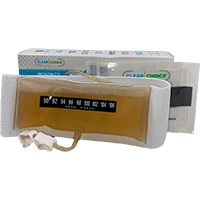
- All you need to pass your test in one kit.
- It will pass specimen validity tests.
- Labs cannot tell that it’s synthetic.
- Invisible under clothes.
- Maintains perfect temperature.
Monkey Whizz Kit Contents and Manufacturer Overview
So before we can judge whether Monkey Whizz is the right tool for your high-stakes test, we need to break down exactly what you’re getting in the box. Think of it as knowing your equipment before the main event.
What’s in the Monkey Whizz Kit?
The standard kit is a self-contained system. Here’s the breakdown of the core monkey whizz kit components:
- Synthetic Urine: Over 3.5 ounces of pre-mixed, toxin-free liquid in a soft vinyl reservoir bag.
- Concealment System: An adjustable, 100% cotton elastic belt designed to be worn discreetly under clothing.
- Heat Source: Two organic, air-activated heating pads to maintain temperature.
- Temperature Gauge: An easy-to-read temperature strip attached directly to the urine reservoir.
- Delivery Mechanism: A tube with plastic clips or a push-button valve for controlled, hands-free flow.
The manufacturer, Serious Monkey Bizzness, positions this as a ready-to-use “novelty” kit. It’s a mid-tier product, typically retailing for around $50.
Monkey Whizz Flask vs. Belt: A Key Choice
It’s worth noting the company also offers the “Golden Flask”—a simpler 4-ounce bottle. The critical monkey whizz flask vs belt difference is discretion. The belt system is a hands-free, gravity-fed device, making it the primary option for actual test scenarios.
Ingredients and Chemical Composition
The formula is engineered to pass basic validity checks. The ingredients and chemical composition include:
- A base of distilled water.
- Key markers like urea, uric acid, and creatinine.
- Balanced electrolytes (sodium, potassium, phosphates).
- Adjusted pH and specific gravity to mimic human urine.
- Yellow coloring and foaming agents for a natural look.
Designed for Everyone: Monkey Whizz for Female Users
A major selling point is its universal design. The belt system is marketed as a unisex solution, meaning monkey whizz for female users is a core part of its appeal, offering the same hands-free concealment regardless of gender.
Basic Instructions for Use
The monkey whizz instructions are straightforward in theory: activate the heat pad, attach it to the pouch opposite the temperature strip, wear the belt against your skin to leverage body heat, and wait 20-60 minutes for the strip to read green (ideally 98–100°F). Then, simply open the valve to dispense.
So, knowing the parts is simple. The real question—and the one that matters most when your job or freedom is on the line—is whether all these components work together reliably under the intense pressure of a real drug test. That’s the critical evaluation we tackle next.
Evaluating Monkey Whizz: Myths, Facts, and Drug Test Realities
So the key to evaluating Monkey Whizz isn’t just asking “does it work?”—it’s about understanding when and why it might work, and when it absolutely won’t. Let’s break down the myths and realities.
The Myth of the Guaranteed Pass
The biggest myth is that Monkey Whizz is a guaranteed pass for any drug test. Here’s the reality: success is never 100% guaranteed. It hinges on a chain of specific, often unpredictable, variables. The type of test you face—unsupervised versus directly supervised—is your first major filter. Then, the sophistication of the lab processing your sample introduces another layer of risk. Finally, your own precision in managing the sample’s temperature becomes the critical, make-or-break factor. No synthetic urine on the market can promise to outsmart every modern detection method.
Effectiveness in 2024-2025: Lab Realities
If you’re facing a test at a major lab like Quest Diagnostics, Labcorp, or Concentra, you need to know they routinely perform Specimen Validity Testing (SVT). This means they check for human markers like creatinine levels, pH, and specific gravity before even running the drug screen.
For example, here’s how Monkey Whizz stacks up in common scenarios:
- Passing a 10-panel drug test: It can pass a basic 10-panel screen if its chemical markers align with human ranges. However, this is where the high risk from layered validity checks comes in.
- Advanced Detection: Modern labs use advanced methods like GC-MS or LC-MS/MS to look for the absence of human metabolic byproducts—things like caffeine or urobilin. This is a primary way they distinguish synthetic urine from the real thing.
- DOT/Federal Tests: For these highly regulated tests (under 49 CFR Part 40), Monkey Whizz is widely considered unreliable due to the strict biometric and validity monitoring in place.
Success Factors and Common Failure Points
So, what actually determines the outcome? Temperature control is the single most critical variable. Your sample must be submitted within the 90–100°F range. Failure often comes down to:
- Cooling: The sample drops below 90°F during a long wait or commute.
- Overheating: Hand warmers or excessive microwaving push it above 100°F.
- Mechanical Issues: Leaking valves, faulty temperature strips, or a bulky belt that’s visible during check-in.
Reddit User Reviews and Success Rates
When you look at monkey whizz reviews and monkey whizz reviews 2025 on forums like Reddit, you see a pattern of mixed success. Users report passing pre-employment tests when temperature was perfect, but many also report “Inconclusive” results leading to retests. The general sentiment is that it’s comparable to other basic brands for simple tests, but it’s increasingly flagged by labs like Labcorp for lacking specific biological markers. A common theme in user stories is high anxiety due to inconsistent heating pad performance and the stress of hiding the belt.
The core takeaway is that while the formula is tuned to hit basic chemical parameters (like a pH of 4.5–8.5), its reliability is a moving target. It depends entirely on the specific lab’s protocols and your flawless execution under pressure.
If success isn’t guaranteed, what specific steps and risks determine the outcome? The next section breaks down the process.
Using Monkey Whizz: Steps, Temperature Control, and Concealment
So the myth of guaranteed success sounds great on paper. But the reality is a high-stakes, step-by-step process where one small mistake can mean a failed test. Let’s break down exactly how to use Monkey Whizz, with a major focus on the single biggest point of failure: temperature.
Step 1: Preparation and the Reheating Question
First, check your kit. Verify the batch number and shelf life before your test day—don’t get caught with an expired product. The key component is the vinyl bladder pouch with its attached temperature strip and tube.
A critical prep question is: can you reheat the sample? The good news is that synthetic urine can generally be reheated and cooled multiple times without degrading its chemical makeup. This means you can practice the heating process. For a quick heat, you can microwave the uncapped bottle for 10 seconds, then shake it to avoid hot spots. But the primary, day-of method relies on the included heating pads.
Step 2: Mastering Temperature Control (The #1 Failure Point)
Labs require your sample to be between 90°F and 100°F within four minutes of submission. Monkey Whizz’s own target is 98-100°F. This is non-negotiable.
- How to read the Monkey Whizz temp strip: The strip is on the pouch. A green block appearing between the 98 and 100 markers means you’re in the ideal zone.
- Troubleshooting a temp strip not reading: If the strip is blank, your sample is likely below 90°F or above 100°F. If it feels cool, you need more heat. If it was just microwaved, it’s too hot.
- What to do if it gets too hot: Simply let it cool at room temperature. Wait for that green indicator to reappear in the correct range before you leave.
- Using Monkey Whizz heating pads: This is your main tool. Activate the pad by removing it from the plastic and shaking it. Apply its sticky side to the back of the pouch (opposite the temperature strip). The pads take 20–60 minutes to heat up and can last up to 8 hours. Note: Do not microwave these pads—they are for air activation only.
Step 3: Concealment and Avoiding Detection
Getting the temperature right means nothing if you’re caught with the device. The belt system is designed to be worn around your waist, thigh, or ribs, with the pouch against your skin.
- Hiding the hardware: Wear loose-fitting clothing like relaxed jeans or cargo pants to minimize bulges and outlines. The goal is to pass a visual inspection.
- The submission moment: In the restroom, you’ll unclip the tube or use the push-button valve. Pour smoothly to mimic natural flow and avoid suspicious splashing sounds.
- Addressing common fears: This is where anxiety spikes. Will there be a pat-down? Possibly. Collectors are trained to look for outlines and odd body language. The fear of the cap making a “click” or the liquid sloshing is real, and it’s a major psychological hurdle during the process.
Following these steps to the letter is your only shot. But even with perfect preparation, there are hidden pitfalls in the lab itself that can flag your sample. That’s where the process truly breaks down.
5 Red Flags That Your Synthetic Urine Sample Will Fail
So you’ve followed every step. The sample is strapped to your body, the temperature feels right, and you’re walking into the clinic. But a nagging question remains: how do you know it will actually pass the validity checks? The lab isn’t just looking for drugs; it’s looking for signs the sample isn’t real. Here are five red flags to check for right before you submit. Catching one of these can save you from an automatic fail.
1. The Temperature Strip Remains Black or Shows No Reading
This is your first and most critical visual check. The built-in temperature strip must display a reading within the narrow 94–100°F accepted range. If the strip remains completely black, it means the sample is either too cold (below 90°F) or too hot (above 100°F). A collector will see this immediately as a substitution attempt. For example, if you’ve been waiting in a long lobby and your heat pad failed, the liquid cools and the strip goes dark. Alternatively, microwaving it for a second too long can overheat it, also triggering a blank or misread strip. This is a non-negotiable fail.
2. The Liquid Looks Unnaturally Clear or “Neon” Yellow
Real human urine has a natural color spectrum, from pale straw to deep amber. If your synthetic sample looks like water or has a jarring, artificial “neon” yellow hue, it’s a major red flag. Lab technicians are trained to spot this. Overly clear liquid suggests dilution, while unnatural colors often indicate chemical additives or poor formulation. The sample needs to pass a simple visual “eye test” before it ever gets to the sophisticated machines. If it doesn’t look like something that came from a person, it will be flagged for further scrutiny.
3. It Produces No Foam When Swirled or Poured
Here’s a simple, real-world test. Give the cup a gentle swirl or watch the sample as it’s poured. Authentic urine contains organic compounds like proteins that create a temporary layer of bubbles or foam. A complete lack of frothing is a telltale sign of a synthetic formula missing these key metabolites. Conversely, if it foams up like soap, that’s also suspicious and can indicate detergents were added to mimic texture. The “bubble test” is a quick, manual check a collector might note if something seems off.
4. You See a Foil Seal, Plastic Fragment, or Debris in the Cup
This is a physical, unmissable error. If a fragment from the kit’s packaging—like a piece of the foil safety seal or a plastic shaving from the bottle—ends up in the collection cup, the test is immediately invalid. It is direct, visual evidence of tampering. For example, if you hastily撕开 the seal on the Monkey Whizz bottle and a tiny piece falls in unnoticed, you’ve just handed the lab proof of substitution. Always inspect the cup visually after pouring.
5. The Sample Emits a Chemical or “Biocide” Scent
While you shouldn’t be smelling the sample obviously, a sharp chemical or ammonia-like odor is a dead giveaway. Labs test for preservatives like biocides (e.g., sodium azide), which are used in some synthetic products to延长 shelf life. A strong chemical smell signals these compounds. Furthermore, an overpowering ammonia scent can indicate the breakdown of urea in an old or poorly stored kit, which doesn’t match the smell of fresh human urine. If it smells like a cleaning product or a science experiment, it will be rejected.
The key takeaway: Passing isn’t just about having the right formula in the bottle. It’s about that formula surviving a gauntlet of simple, human-level inspections. If you spot any of these five red flags in the restroom, you know the sample is compromised before it even reaches the lab tech’s hands. This level of vulnerability is precisely why reliability is the most important factor when the stakes are your job or your freedom.
Overlooked Risks of Synthetic Urine Kits in Modern Drug Tests
Even if you manage to navigate the initial human inspections, the real gatekeepers are the modern laboratory protocols designed specifically to catch synthetic samples. This is where many kits, including Monkey Whizz, face their most critical test. It’s not just about looking and smelling right anymore; labs now perform what’s called Specimen Validity Testing (SVT) right alongside the drug screen.
Think of SVT as a forensic audit of your urine’s basic chemistry. For example, labs measure creatinine levels. Natural human urine typically has more than 20 mg/dL, but synthetic formulas often fall below 2 mg/dL, which automatically flags the sample as “substituted.” They also check specific gravity—the urine’s density. If it’s too close to water, combined with low creatinine, it’s another instant red flag.
So the key vulnerability is chemistry. Modern labs screen for biocides like sodium azide, which are preservatives added to many synthetic urines to extend shelf life. They test pH ranges; anything outside the normal human window of 4.5 to 9.0 can trigger an “invalid” result and a mandatory, often observed, retest. Advanced testing using LC-MS/MS technology can even detect the absence of natural biomarkers like uric acid, giving labs a nearly foolproof method to distinguish fake from real.
The consequences of failing this lab audit are severe and life-altering. Getting caught isn’t just a failed test; it’s often treated as fraud. In at least 18 states, like Illinois and New Jersey, using synthetic urine to defraud a test is a felony, carrying fines up to $15,000 and potential prison time. For a job, it means immediate termination or a rescinded offer. For anyone on probation or parole, it’s a direct violation that can land you back in jail.
Furthermore, there’s a scenario where no synthetic urine kit can help: the directly observed test. For DOT-regulated jobs, probation, or military testing, an observer is legally required to watch the urine leave your body. They’ll have you raise your clothing, turn around, and there is simply no discreet way to use a bottle or belt. If a device is discovered, it’s an automatic “refusal to test,” which carries the same penalties as a positive result. This level of scrutiny makes the risk profile of any basic synthetic kit completely untenable for these high-stakes situations.
Monkey Whizz: Real-Life Pros, Cons, and Suitability for Your Test
So let’s get real about what Monkey Whizz actually delivers. On the surface, it checks some immediate boxes. At roughly $39, it’s a budget-friendly entry point compared to premium kits that can run $80 or more. The kit includes a pre-mixed, 3.5-ounce bottle and an adjustable cotton belt for hands-free concealment—a practical differentiator for avoiding pat-downs. The formula contains urea, uric acid, and creatinine, and the liquid has a realistic yellow color and foam.
However, this is where the evaluation shifts from features to your real-world experience. The product’s genuine pros quickly collide with its critical cons, and those cons directly map to your biggest fears.
The core failure point: temperature anxiety. The most common user-reported issue is the sample cooling outside the 90–100°F range during your commute or a long wait. The included heating pads are inconsistent—they can fail in cold weather or overheat the sample, which is an instant red flag. Worse, the built-in temperature strip is frequently unreliable, either rubbing off or giving a blank reading. This forces you to submit a sample blind, creating a vicious cycle of stress during the most critical 4-minute window of the process.
The detection risk undermines the core guarantee. You need a 100% reliable solution, but modern labs like Quest and Labcorp use advanced Specimen Validity Testing (SVT). They can flag synthetic markers, biocides, or the absence of natural human metabolites. Monkey Whizz’s formula may not withstand this level of scrutiny, failing the very “guarantee” you’re paying for.
It ignores a major real-world scenario. As we just covered, for DOT-regulated jobs, probation, or federal testing, you’ll face a directly observed test. An observer watches the urine leave your body. In that scenario, any bottle or belt is physically useless and attempting to use one constitutes an automatic refusal, with consequences as severe as a positive result.
As a result, you’ll find that for any high-stakes test—where your job, freedom, or financial stability is on the line—the significant drawbacks of unreliable temperature and detection risk dramatically outweigh the initial affordability and convenience. The product’s suitability is effectively limited to low-scrutiny, basic pre-employment screens, which leaves your most critical needs unaddressed. This logical assessment naturally leads to the question: if these are the known flaws, what alternative is engineered to solve them?
Comparing Synthetic Urine Options: Monkey Whizz vs. Incognito Belt
So the logical next step is to evaluate what’s engineered to solve those exact flaws. When you’re comparing your options, a common question is how Monkey Whizz stacks up against other market leaders—many people ask does Quick Fix work—but for a truly high-stakes situation, the comparison that matters most is with a system built for reliability: the Incognito Belt.
Here’s the core differentiator: Monkey Whizz is a basic kit, while the Incognito Belt is a integrated system. The distinction isn’t just marketing; it’s in the engineering that directly addresses your biggest fears.
Solving the Temperature Anxiety Problem
The single biggest point of failure for any synthetic sample is temperature. Monkey Whizz relies on one heating pad, which users consistently report can fail during long waits or in cool clinics. The Incognito Belt leverages a dual-heat strategy: two dedicated heat pads plus the natural, consistent warmth of your own body from wearing the flat bladder bag against your skin. This isn’t just an extra feature; it’s a redundant system designed to maintain that critical 94–100°F window, giving you a much wider margin for error.
Addressing Advanced Laboratory Detection
Modern labs at places like Quest or LabCorp run Specimen Validity Testing (SVT). They check for things like correct pH, specific gravity, and the presence of creatinine. Monkey Whizz, as a simpler formula, can be flagged here, leading to an “inconclusive” result—which is often treated as a fail. The Incognito Belt’s formula is specifically formulated with 11 chemical compounds, including urea, uric acid, and creatinine, and is biocide-free. This is its key differentiator: it’s built from the ground up to pass those advanced validity checks that trip up basic synthetics.
Discreet and Reliable Design
Concealment is a major pain point. The Monkey Whizz belt is noted for being bulkier and more visible under clothing. Its hardware—tubes and valves—has also been cited for mechanical failures like leaks. The Incognito Belt uses a lightweight, gravity-fed system with a one-handed clip. It’s lower-profile and designed for more reliable, discreet dispensing.
Note: The Incognito Belt is a premium solution, and its cost reflects this engineering. However, when you weigh that cost against the severe career or legal consequences of a failed high-stakes test, it represents a logical investment in reliability. The system is designed to give you control over the two variables you can actually manage: temperature and chemical composition.
- All you need to pass your test in one kit.
- It will pass specimen validity tests.
- Labs cannot tell that it’s synthetic.
- Invisible under clothes.
- Maintains perfect temperature.
Monkey Whizz Shelf Life, Storage Tips, and Buying Guide
So you’ve decided to move forward. The next critical step is ensuring the product you get is fresh and authentic—this directly impacts its reliability. Let’s break down the logistics.
Where to Buy Monkey Whizz (And Where Not To)
Your primary and most reliable source is the official manufacturer website, Serious Monkey Bizzness. This guarantees you’re getting a genuine, current product.
- Online vs. Local: You can also find it at specialty retailers like smoke shops or head shops (e.g., Planet K, Puff Love). However, be aware that local shops often charge a higher price than online due to overhead.
- The Amazon & eBay Red Flag: You will not find authentic Monkey Whizz on Amazon, Walmart, or eBay. Purchasing from these platforms significantly increases your risk of receiving a counterfeit or, critically, an expired product.
Shelf Life and The Expiration Date
An unopened Monkey Whizz kit has a typical shelf life of about one year. Always check the “use by” date printed on the bottom of the box before you buy or use it.
- After Opening: Once the safety seal is broken, the clock starts ticking. The sample becomes vulnerable to bacterial growth and is generally unusable after 1-2 days at room temperature. Refrigeration might extend this slightly, but reliability plummets.
- The Heat Factor: Remember, once the product has been heated for use, its chemical stability decreases. This is a one-use solution, not something you can reheat and cool multiple times with confidence.
Storage Essentials
To preserve its integrity until test day, store your unopened kit in a cool, dry, and dark place. Avoid leaving it in a hot car, direct sunlight, or anywhere with temperature extremes.
Note: If your kit arrives with a missing or broken safety seal, treat it as compromised. The risk of contamination or tampering is too high for a high-stakes situation. Your best move is to return it and source a fresh, sealed product directly from an authorized seller.
The Real Requirements for Passing a Drug Test Successfully
So the real requirements for passing a drug test come down to a simple, three-part framework. Forget the marketing hype—success hinges on managing these non-negotiable factors.
The Three Pillars of a Successful Submission:
- Temperature Control: Your sample must land between 90°F and 100°F within four minutes of collection. This is the most common failure point. A reading outside this range is an automatic red flag for substitution.
- Chemical Validity: The sample must pass Specimen Validity Testing (SVT). Labs check for creatinine, specific gravity, pH, and the absence of oxidants. A formula missing these markers is easily detected as synthetic.
- Concealment & Discretion: You need a delivery method that avoids suspicion during transport and in the restroom, especially with potential pat-downs or waiting room delays.
For high-stakes tests—where your job, probation, or freedom is on the line—reliability isn’t a feature; it’s the entire point. You need a solution engineered to clear all three pillars consistently.
This is the differentiator. While some products may address one factor, they often fail on another. For example, a basic bottle might have a heating pad but lack the complex biological markers modern labs now test for. The prudent path is to choose a system designed as a complete ecosystem for success.
An integrated option like the Incognito Belt is built for this reality. It provides a biocide-free formula that meets SVT standards, a discreet wearable belt for concealment, and a reliable heat source—all working in concert to manage the key failure points.
You now understand the myths and the mechanics. Your decision should be based on these real factors: temperature, validity, and risk. If you decide against synthetic products, you should look into how to flush your system for a drug test naturally. But for a fast, guaranteed solution, leveraging a purpose-built system is the logical choice. Make your move with confidence.
How Modern Labs Detect Synthetic Urine: Key Factors to Know
So you’re staring at a drug test notice, and the first fear that hits isn’t just about the test itself—it’s about the lab. You’ve heard rumors that they can “detect” fake urine, but what does that actually mean? Let’s break down the reality of how modern labs operate, so you can see exactly where a basic product might fail.
The core of their defense is a mandatory process called Specimen Validity Testing (SVT). Think of it as a background check for your sample. Before they even look for drugs, they check if it’s human. Here are the key checks they run:
- Creatinine Levels: This is a waste product from your muscles. Human urine always has a certain amount. If the level is too low—below 20 mg/dL—it raises a red flag. If it’s practically zero (below 2 mg/dL), the lab classifies it as “substituted,” meaning non-human. It’s an automatic fail.
- Specific Gravity: This measures the density of your urine compared to water. It has to fall within a very specific human range (1.0030 to 1.0300). If it’s off, the sample is invalid.
- pH Balance: The acidity of your urine must be between 4.5 and 9.0. Go outside that range, and the sample is flagged as adulterated.
- Biocide Screening: This is the big one for synthetic urine. Many cheap formulas use chemical preservatives (like sodium azide) to give the product a long shelf life. Labs now specifically test for these biocides. Finding them is a direct marker that the sample came from a bottle, not a person.
The result? Older or basic synthetic urine kits that only focus on matching color and temperature are incredibly vulnerable. They might get the creatinine and pH right, but they fail on specific gravity or get caught by the biocide test. The lab’s technology has evolved; it’s not just a dipstick test anymore. They use pattern analytics to spot combinations that are statistically impossible for a real human body.
This is precisely why a more sophisticated approach is necessary. A product designed for the modern testing environment doesn’t just try to look real; it’s built to pass these specific validity checks. It uses a biocide-free formula that aligns with human SVT standards, addressing the exact vulnerabilities we just covered. Understanding these lab protocols isn’t meant to scare you—it’s to empower you. You can’t beat a system you don’t understand.
- All you need to pass your test in one kit.
- It will pass specimen validity tests.
- Labs cannot tell that it’s synthetic.
- Invisible under clothes.
- Maintains perfect temperature.
User Experiences with Monkey Whizz: Stress, Failures, and Lessons
So the key to understanding any product isn’t just the marketing—it’s the real-world chatter. When you look at monkey whizz reviews 2025 across forums like Reddit, you get a raw, unfiltered picture of what happens when the pressure is on. The reddit community feedback isn’t just about whether it worked; it’s a masterclass in anxiety.
For example, a common thread in real-world failure and success stories is pure, physical stress. One user described the pre-test wait as “shitting like a machine gun,” a visceral example of the user experiences under pressure that define this product. The core fear isn’t just about the lab; it’s about the waiting room. General anxiety and paranoia peak as users worry the sample is cooling down, with heating pads failing in air-conditioned lobbies.
The lessons from the field are harsh. Temperature is the number one failure point. You’ll find stories of people getting the sample too hot, triggering immediate suspicion. Alternatively, the built-in temperature strip rubs off against the skin, leaving you flying blind. Then there’s the physical stress of concealment—the fear during a pat-down or the belt feeling bulky under slim-fit clothes.
Other red flags emerge from community complaints. Some report receiving a “diluted” or “inconclusive” result, leading to a high-stress callback from the Medical Review Officer (MRO). Others note that while the color looks right, the smell can be “off,” a subtle cue that alerts a keen collector. These aren’t rare anecdotes; they’re a pattern of stress that makes an already tense situation unbearable.