
Best Detox Shampoo for Hair Drug Test: Expert Guide
If you’re facing a hair follicle drug test for a job, license, or custody, you’re not looking for a beginner’s overview. You need a tactical cheatsheet. This is an advanced guide for high-pressure scenarios where execution has to be perfect.
We’ll cut through the noise and focus on the precise use of a specialized detox shampoo for hair drug test protocols. Think of this as your dense, scannable reference for fast action—not a long narrative.
The goal is simple: equip you with the exact steps to chemically strip metabolites from your hair shaft and pass. Let’s get into the tactics.
The Science of Hair Drug Tests: Detection Windows and Substance Retention
So the key to understanding your challenge is the science of how drugs get trapped in your hair. This isn’t about surface grime; it’s about what’s locked inside.
The standard hair drug test analyzes the 1.5 inches of hair closest to your scalp. Since hair grows about half an inch per month, that sample provides a roughly 90-day detection window of your substance history. Labs can even segment that hair into monthly slices to map a timeline of use.
Here’s the critical part: drugs don’t just sit on your hair. After you use a substance, it enters your bloodstream. Over the next 5–10 days, those drug molecules get incorporated into the hair follicle itself as your hair grows. Once inside, they bind permanently to the proteins (keratin) and pigment (melanin) in the hair’s inner cortex. The outer cuticle then acts like a sealed shell, protecting those embedded metabolites.
The specific substances they’re hunting for include:
- THC and its metabolite THC-COOH (from marijuana)
- Cocaine and its metabolite benzoylecgonine
- Opioids like codeine, heroin metabolites, oxycodone, and hydrocodone
- Amphetamines like methamphetamine and MDMA
This is why your regular shampoo won’t cut it. Before testing, labs use aggressive chemical washes to strip away any external contamination—like sweat or environmental smoke—from the hair’s surface. They’re specifically testing for what’s inside the cortex, because that’s the undeniable proof of ingestion. A standard shampoo only cleans the outer cuticle; it has zero ability to reach or flush out the metabolites locked deep within.
This 90-day, cortex-deep standard is just the baseline, though. Individual factors can drastically change the difficulty of your situation, which is what we need to unpack next.
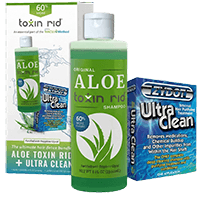
- Highly effective for drug tests
- Effective for heavy users
- Suitable for dreadlocks and dark hair
- Used in Macujo and Jerry G methods.
Key Variables That Affect Your Hair Drug Test Outcome
That 90-day window is the standard, but it’s a simplification. Your actual test outcome hinges on a handful of key variables that can make your personal detox challenge much harder—or, in some cases, a bit easier. Understanding where you fall on this spectrum is the first step to choosing the right tactical approach.
Here are the main factors that will dictate your specific game plan:
- Hair Type and Ethnicity: This is a major differentiator. The pigment in your hair (melanin) is the primary binding site for many drugs, especially “basic” drugs like cocaine, meth, and opioids. The hierarchy is clear: Black hair incorporates these substances at significantly higher rates than brown, blond, or red hair. Furthermore, Asian black hair can bind certain drugs at nearly three times the rate of Caucasian black hair. If you have thick, coarse, or dense hair, products will need a longer dwell time (up to 15 minutes) and more volume to penetrate the cortex properly. High-porosity hair (often chemically treated or damaged) absorbs contaminants faster but can also release them more easily during a deep-cleanse wash.
- Usage Frequency and Substance Type: A single, occasional use months ago often fails to reach the standard detection cutoff. The test is designed to flag chronic or repeated use. For example, THC detection rates are around 85% for daily users versus 52% for non-daily users. The chemical properties of the drug also matter. THC-COOH (the metabolite) behaves differently in the hair shaft than parent drugs like cocaine, which binds tightly to melanin. This means a method that strips one substance may be less effective on another.
- The Body Hair Fallback: If you’re bald, have very short head hair, or the tester deems your head hair unsuitable, they will take hair from your body—arm, leg, chest, armpit, or beard. This is a critical pain point. Body hair grows slower and asynchronously, so it can provide a detection window of up to 12 months. Concentrations of some drugs, like THC and methadone, are often statistically higher in body hair than in scalp hair. If you’re facing a body hair test, your strategy must account for this extended timeline and different hair structure.
- Cross-Contamination and External Risks: Your hair isn’t just a record of what you’ve ingested; it’s a sponge for your environment. Environmental smoke from cannabis, crack, or meth can deposit drugs externally onto the hair shaft. Studies show that just 15 minutes in an unventilated space with secondhand cannabis smoke can lead to detectable THC. Sweat and sebum (your natural oils) also act as secondary routes, potentially re-incorporating drugs into the hair after it grows out. This means contamination from old hats, pillows, or even lingering smoke in your car or home is a legitimate risk that can undermine your detox efforts.
The takeaway is this: A heavy, daily cocaine user with thick, coarse hair and a potential body hair sample is in a completely different situation than an occasional THC user with fine, blond hair. Generic, one-size-fits-all advice fails because it ignores these critical variables.
Recognizing your unique combination of these factors explains why a targeted, potent solution is non-negotiable for a high-stakes outcome. This is why simply grabbing any “detox shampoo” off the shelf is a gamble. You need to evaluate methods and products based on their proven ability to address these very specific challenges.
Detox Shampoo Efficacy: Separating Proven Methods from Forum Myths
So the internet is full of advice on home remedies to pass a hair follicle drug test. The most famous is the Macujo method, and you’ll see endless threads about using vinegar, baking soda, or even laundry detergent. The promise is a cheap, “natural” fix. The reality, however, is a story of severe risk and misunderstood chemistry.
Let’s break down the most common forum folklore into what actually works versus what just damages your hair.
The Household Harshness: A Risky Gamble
The core problem with most DIY approaches is a fundamental misunderstanding of hair anatomy. Drug metabolites aren’t sitting on your hair like dirt; they’re locked inside the innermost layer, the cortex, protected by a hard, overlapping cuticle. Most household products only attack the surface.
- Vinegar & Baking Soda: You’ll see guides on how to pass a hair follicle test with vinegar. The truth is, vinegar (an acid) and baking soda (a base) are used as pre-treatments. They alter the hair’s pH to rough up and lift the cuticle scales. This doesn’t remove metabolites; it just makes the hair more porous for whatever you use next. Used alone, they do nothing to the toxins inside.
- The Macujo Method Reality: The full Macujo method protocol uses vinegar, salicylic acid (like Clean & Clear), and laundry detergent (Tide) to forcibly strip the hair. Its reported success isn’t due to Tide or vinegar—it’s because the final step requires a high-quality detox shampoo to flush the opened cortex. Without that specialized shampoo, you’re just chemically burning your scalp for no guaranteed result.
- The Jerry G & Bleach Route: This involves double-bleaching and dyeing hair. Bleach can break down some metabolites (40-80% per application), but it’s incredibly destructive, leading to breakage, severe scalp damage, and hair that screams “tampering” to a lab technician.
- The “Natural” Detox Myth: The idea you can pass a hair drug test naturally with just time and healthy living ignores the science. Metabolites are embedded in the hair shaft as it grows. No amount of healthy eating or hydration will remove them from already-grown hair.
The Mechanism of Failure and Injury
These methods fail for two main reasons. First, they don’t achieve a deep, targeted washout of the cortex. Second, they carry major risks:
- Physical Harm: The combination of acidic vinegar, alkaline detergents, and peroxide causes chemical burns, intense stinging, open sores, and permanent follicle damage. Your goal is to pass a test, not earn a trip to the dermatologist.
- Detection Red Flags: Labs are trained to spot chemically fried hair. Overly bleached, brittle, or uniformly damaged hair is a giant red flag that can lead to a “sample tampering” result or a request for a different sample.
The Specialized Solution: Engineered for the Cortex
This is where the conversation shifts from folklore to science. Effective detox shampoos aren’t just stronger soap; they’re formulated with specific mechanisms to address the core problem.
- Penetration Enhancers: Ingredients like propylene glycol are used to help the formula penetrate beyond the cuticle and into the cortex, where the metabolites are stored.
- Targeted Cleansing: They use a blend of surfactants and chelating agents designed to bind to and flush out the organic toxin molecules, not just surface oils or minerals.
- Controlled Process: Unlike a brutal, one-time bleach job, these shampoos are used in a repeated, controlled protocol to gradually reduce metabolite levels without destroying the hair’s structural integrity.
Note: The efficacy of even the best shampoo depends on your unique factors—usage frequency, hair type, and time. A single wash won’t suffice; a committed, multi-day protocol is required.
The takeaway is clear: while the urge to find a cheap, home remedy is completely understandable, the most popular methods are either ineffective alone or carry a high risk of failure and injury. The only path with a documented mechanism of action involves products specifically engineered to open the hair’s protective layer and cleanse the inner cortex. This understanding is the first filter for separating real solutions from costly scams, and it leads directly to evaluating which products on the market are actually built for this job.
Detox Shampoo Comparison: A Ranked Guide for Hair Drug Tests
This section is your core reference table for quick decision-making. When you’re asking “what shampoo will pass a hair follicle test,” this ranked guide cuts through the noise. Each entry provides the product’s key mechanism, its ideal use case, and its most significant limitation.
#1: Old Style Aloe Toxin Rid
- Key Mechanism: Deep cortex penetration using high concentrations of propylene glycol and advanced microsphere technology to dissolve embedded metabolites.
- Best For: Moderate to heavy users; it’s the primary cleansing agent in advanced protocols like the Macujo or Jerry G methods.
- Major Limitation: Extremely high cost ($134–$170+) and a high prevalence of counterfeits on third-party marketplaces. You must buy from authorized sellers.
- Highly effective for drug tests
- Effective for heavy users
- Suitable for dreadlocks and dark hair
- Used in Macujo and Jerry G methods.
#2: Macujo Aloe Rid
- Key Mechanism: An enhanced propylene glycol formula designed specifically for the Macujo Method to target 90-day metabolite accumulation.
- Best For: Users committed to executing the full, abrasive Macujo protocol; it targets medications, heavy metals, and pollutants.
- Major Limitation: Its effectiveness is primarily tied to being used as part of that multi-step, damaging Macujo Method. It’s not a standalone solution.
#3: Zydot Ultra Clean
- Key Mechanism: A three-part system (shampoo, purifier, conditioner) using tetrasodium EDTA and sodium thiosulfate to disrupt surface bonds.
- Best For: A final-day “polish” within 24 hours of the test; suitable for light or occasional users.
- Major Limitation: Low standalone potency. Studies show it only achieves partial metabolite reduction (approx. 36%) without a strong pre-treatment cleanser.
#4: High Voltage Folli-Cleanse
- Key Mechanism: A strong surfactant profile and chelators with a 20-30 minute dwell-time requirement.
- Best For: Users on very tight timelines (it has a 36-hour effectiveness window) with light exposure history.
- Major Limitation: Highly drying to hair and shows inconsistent results for heavy users or those with dense, protective hairstyles.
#5: Rescue Detox / Folli-Clean / Stinger Folli-Kleen
- Key Mechanism: Temporary masking via pH alteration and hair coating rather than permanent metabolite extraction.
- Best For: Budget-conscious users or as a secondary backup for very light exposure.
- Major Limitation: High failure risk for moderate to heavy users; they lack the deep-penetration solvents like propylene glycol found in top-tier options.
Note on Procurement: A common search is for a “detox shampoo for hair drug test CVS.” You will not find these specialized formulas at standard pharmacies. Products like Paul Mitchell Three are clarifying shampoos for surface buildup only. For the shampoos listed above, you’ll typically need to visit specialty smoke shops or order online, with Old Style Aloe Toxin Rid being largely exclusive to official sites like TestClear.
This ranking provides the “best shampoo to pass hair follicle drug test reviews” in a concise format. Your choice depends entirely on your usage history, timeline, and budget. For a deep dive into why the top choice earns its rank, the next section provides that analysis.
Old Style Aloe Toxin Rid Shampoo: A Detailed Analysis of the Top Choice
So the key to understanding why Old Style Aloe Toxin Rid Shampoo holds the #1 rank comes down to its specific formulation and the protocol it demands. This isn’t a daily-use cosmetic shampoo; it’s a tactical tool engineered for a single, high-stakes purpose.
Core Formula: How It Penetrates the Hair Cortex
The efficacy is rooted in a combination of active ingredients designed to work on the metabolites trapped inside your hair shaft, not just on the surface.
- Propylene Glycol: This is the primary penetration enhancer. It acts like a key, helping to open up the hair’s cuticle layer so the other cleansing agents can reach the inner cortex where drug metabolites are stored.
- EDTA (Ethylene Diamine Tetraacetic Acid): Functions as a chelating agent. Think of it as a molecular claw that binds to drug metabolites and heavy metals, helping to pull them out during rinsing.
- Sodium Thiosulfate: A reducing agent that helps neutralize and break down certain compounds, making them easier to wash away.
- Advanced Microsphere Technology: This allows for a gradual, sustained release of the cleansing agents during the recommended 10-15 minute dwell time per wash, promoting cumulative cleaning.
- Aloe Barbadensis Leaf Extract: Provides a crucial counterbalance. It soothes the scalp and helps manage irritation during the intensive washing cycles required.
Protocol & Execution: The Non-Negotiable Steps
For this product to work, you must follow a strict regimen. Using it once or twice won’t yield results.
- Frequency: The standard protocol requires 10 to 15 total washes leading up to your test day. This is a multi-day commitment.
- Dwell Time: Each application requires a 10 to 15 minute wait time after lathering to allow the formula to penetrate.
- Synergy with Methods: It is the cornerstone cleanser in the Macujo Method (used after vinegar and salicylic acid steps) and is often used as a follow-up in the Jerry G Method after bleaching and dyeing to extract loosened toxins.
Sourcing Authenticity & Cost Justification
A major point of confusion—and a valid purchase objection—is the price and authenticity.
- TestClear vs. Nexxus: The genuine “Old Style” formula is sold exclusively by TestClear. It is a reformulation of the original, now-discontinued Nexxus Aloe Rid. The current retail Nexxus Aloe Rid shampoo is a different, milder product with more conditioning agents and is not the same.
- Price Point: Authentic bottles typically range from $130 to $235. Deep discounts are a major red flag for counterfeits. You are paying for the specific, research-backed formulation and its chelating agents.
- Verification: Authentic product is a thick, green gel with a consistent scent. Fakes are often thin, runny, and may smell strongly of vinegar.
Addressing Advanced User Concerns
- For Heavy/Hard Drug Users: Documented success exists for chronic users and various substances. However, its efficacy is highest when used as part of a multi-step protocol like Macujo, not as a standalone product. The cumulative washes are critical.
- Day-of-Test Masking: The protocol is incomplete without a final, day-of treatment. The standard is to do a final wash with Aloe Toxin Rid, followed immediately by the Zydot Ultra Clean 3-step system (shampoo, purifier, conditioner) to remove any final loosened residues from the hair closest to the scalp.
- Physical Impact: Note that this is a harsh regimen. Repeated use can dry out your hair. It’s recommended to use a silicone-free conditioner on the ends of your hair (avoiding the first 1.5 inches near the roots) to manage damage.
The bottom line: Old Style Aloe Toxin Rid Shampoo earns its top rank through a proven, penetrative formula and a clear, intensive protocol. Its high cost and demanding process are its biggest drawbacks—which naturally leads to the question of whether a cheaper or simpler competitor product might be sufficient for your specific situation.
- Highly effective for drug tests
- Effective for heavy users
- Suitable for dreadlocks and dark hair
- Used in Macujo and Jerry G methods.
Competitor Detox Shampoos: An Objective Look at Their Strengths and Limits
So the natural next question is: if Old Style Aloe Toxin Rid is the premium standard, what about the other options you see online? Are any of them good enough? Let’s do an objective, head-to-head comparison. We’ll look at their specific strengths, but more importantly, their critical limits for a high-stakes situation.
Macujo Aloe Rid (The Macujo Method Shampoo)
This is a major player you’ll see in forums. Its core strength is its specific design for the “Macujo Method.” The manufacturer claims its formula penetrates both the inner and outer hair cortex to strip metabolites, not just clean the surface. They advertise a 99.9% success rate for intense users following a 10–15 wash protocol.
However, the critical limitations are significant. First, that 99.9% claim lacks independent scientific verification. Second, the overall Macujo Method it’s paired with uses acidic solutions like vinegar and salicylic acid, which can cause severe scalp irritation, burns, and hair damage. Finally, requiring 10–15 washes is labor-intensive and painful. For a heavy user, this isn’t a simple shower routine; it’s a punishing chemical regimen.
High Voltage Folli-Cleanse
This is a more budget-friendly option. Its strength lies in its aggressive cleansing profile, using strong surfactants like Ammonium Lauryl Sulfate and chelators like tetrasodium EDTA to degrease and neutralize bonds. It offers a 36-hour effectiveness window and is generally safe for color-treated hair.
The critical limit here is penetration. It struggles with dense, thick, or protective styles like braids and locs. Users also report excessive dryness and scalp irritation from the potent surfactants. Most importantly, its performance is reported as inconsistent for heavy, long-term exposure. If you have a significant history, this is a high-risk choice. You can read a more detailed breakdown of its profile in our High Voltage detox shampoo review.
Rescue Detox Shampoo Concentrate
This product’s core strength is speed. It’s marketed as a rapid-action, “one-wash” formula for last-minute scenarios. Its mechanism, however, is its biggest weakness. It operates primarily via temporary chemical coating and pH alteration—essentially masking, not deep removal. This categorization carries a significantly higher failure risk for heavy users. It also lacks the deep-penetration aids found in premium options, and its small 2-ounce volume may not be enough for long or thick hair.
Folli-Clean / Stinger Folli-Kleen
These are the gentle options. Their strength is being pH-balanced and suitable for sensitive skin or chemically processed hair. Stinger Folli-Kleen is even FDA-registered. The trade-off is potency. They are generally recommended only as a supplement between deeper cleans or for very light exposure. They simply lack the power to reliably reach cortex-embedded toxins from moderate to heavy use.
The Zydot Ultra Clean Factor (and the Macujo Aloe Rid + Zydot Ultra Clean Shampoo Pairing)
You’ll often see Zydot Ultra Clean sold as a companion product. Its core strength is as a “final-day polish”—a three-step kit (shampoo, purifier, conditioner) that can reduce surface metabolites. Studies show a single use can reduce THC metabolites by roughly 36% to 52%.
The critical limitation is that it is insufficient as a standalone solution. Its effectiveness is highly contingent on timing (must be used within 24 hours of the test) and fades quickly as your scalp’s natural oils regenerate. This is why you often see it paired with the macujo aloe rid shampoo in a macujo aloe rid + zydot ultra clean shampoo protocol—the stronger shampoo does the deep work, and Zydot acts as the surface-level finisher.
The bottom line on competitors: Each has a niche. Macujo aloe rid is built for a specific, harsh method. High Voltage is a more affordable but less penetrating cleanser. Rescue Detox is for pure masking in a pinch. Folli-Kleen is for sensitive scalps with minimal exposure. Zydot is a polish, not a primary solution.
The key differentiator for Old Style Aloe Toxin Rid is its combination of deep-cortex penetration (via propylene glycol) and a protocol designed for heavy, chronic use. The competitors often excel in one area—like gentleness or speed—but consistently fall short in the deep, reliable cleansing required for a high-stakes test where failure is not an option. If you’re searching for “macujo aloe rid shampoo near me,” understand that the method it’s used in is punishing, and the product itself is part of a system, not a magic bullet. For the most critical scenarios, the evidence points back to the top-ranked choice.
Step-by-Step Protocol: Using Detox Shampoos for Maximum Effectiveness
So you’ve selected your product. Now comes the execution—and this is where most people stumble. Picking the right shampoo is half the battle; following a precise, aggressive protocol is the other half. Think of it like a workout plan: the best supplement in the world won’t build muscle without the reps. Here is the exact, step-by-step formula for maximum effectiveness.
The Pre-Treatment Cycle: The Macujo Method
This is your multi-day assault on the hair cortex. Consistency is non-negotiable.
Phase 1: Preparation & Protection
- Complete Toxin Abstinence: Stop all exposure 12-24 hours before your first cycle and maintain this until after your test. This prevents re-contaminating your cleansing work.
- Barrier Application: Before every cycle, apply a thin layer of Vaseline or petroleum jelly along your hairline, ears, and neck. This protects your skin from chemical burns.
Phase 2: The Core Cleansing Cycle (Repeat as Scheduled)
Follow these steps in exact order for one complete cycle:
- Initial Wash: Start with Old Style Aloe Toxin Rid Shampoo. Lather, massage thoroughly, rinse completely, and towel dry with a clean towel.
- Baking Soda Paste: Create a paste with baking soda and water (gravy-like consistency). Massage into hair for 5-7 minutes. Rinse and towel dry.
- Acid Soak: Saturate hair with a 2% salicylic acid astringent (like Clean & Clear Deep Cleaning). Massage for 5-7 minutes, cover with a shower cap, and let it sit for 30 minutes.
- Detergent Scrub: Use a small dab of Liquid Tide detergent. Scrub your hair follicles vigorously with finger friction for 3-7 minutes. Rinse thoroughly.
- Second Aloe Rid Wash: Apply Old Style Aloe Toxin Rid Shampoo again. Rinse completely.
- Vinegar Application: Saturate your head with 5% acetic acid white vinegar. Massage it in. Pat dry—do not rinse.
- Second Acid Soak: Re-apply the salicylic acid astringent over the vinegar. Massage and let sit for 30 minutes (do not exceed 60).
- Final Detergent Scrub: Perform a second Liquid Tide scrub for 3-7 minutes. Rinse thoroughly.
- Final Cleanse: Finish the cycle with a final wash of Old Style Aloe Toxin Rid to remove residual odors and chemicals.
Frequency & Scheduling: How Many Reps?
Your usage schedule depends on your history:
- Light/Moderate Users: Plan for 5-8 complete cycles.
- Heavy/Daily Users: You need 10-15 complete cycles.
- Recommended Pace: Spread this over approximately 10 days leading to your test, performing 1-3 cycles per day.
The Mandatory Day-Of Step: Zydot Ultra Clean
This is your final, critical surface cleanse. It must be used within 24 hours of your test, ideally 1 hour before. This isn’t optional; it’s the final purifier that removes any lingering residue from the intense multi-day process. It’s a simple, four-packet system:
- Massage half of Packet #1 (Shampoo) into hair for 10 minutes; rinse.
- Apply all of Packet #2 (Purifier) to the scalp and hair roots; comb through with a new, clean comb. Leave for 10 minutes; rinse.
- Apply the remaining half of Packet #1 (Shampoo) for 10 minutes; rinse.
- Apply Packet #3 (Conditioner), leave for 3 minutes; rinse.
Advanced Execution Tips for Tough Cases
- Target the Right Zone: Focus all scrubbing and application on the first 1.5–2 inches of hair from the scalp. This is the segment labs analyze.
- Body Hair Protocol: If testers must use body hair (chest, underarm, leg), apply the same core cycle protocol. Note that body hair skin is more sensitive—monitor for irritation and increase spacing between cycles if needed.
- Managing Scalp Damage: If you experience severe burning or redness, increase the time between cycles to 8-12 hours and use cooler water for rinsing. The process is punishing, but permanent damage is avoidable with care.
- Prevent Re-Contamination: Use new, clean towels, combs, and pillowcases after every single wash cycle. This is a non-negotiable step to avoid undoing your work.
Note: This protocol is aggressive. It can cause dryness, irritation, and brittleness. Avoid high-heat water, as it increases damage without improving results. You are executing a chemical scrub—precision and consistency are your only advantages.
Following this protocol perfectly sets the stage, but even with flawless execution, you’re working against a biological clock. Understanding the detox timeline is the final piece of the puzzle to ensure your hard work isn’t wasted.
Zero-Hour Verification: A Final Checklist for Test-Day Protocol
This is the final safety check before you head to the lab. All your preparation, all the chemical scrubbing, comes down to this moment of clinical precision. If you’ve followed the protocol, you’re almost there—but a single misstep in these final hours can undo everything. So the key to crossing the finish line is to run this zero-hour verification. Treat it like a pilot’s pre-flight checklist. Every item is non-negotiable.
Here is your high-intensity mini-checklist for test-day protocol:
- Confirm the 10-Minute Saturation Countdown: During your final wash with Old Style Aloe Toxin Rid, set a timer. You must verify the product is massaged into the scalp and sits for a full 10–15 minutes. Don’t eyeball it. This dwell time is what allows the formula to penetrate the hair cortex. For example, if you rinse at minute 8, you’re leaving metabolites behind.
- Verify the ‘Clean & Clear’ Step Reached the Nape: The salicylic acid in the pink Clean & Clear astringent is a critical opener for your hair cuticles. You must physically check that you massaged it all the way down to the tiny hairs at the nape of your neck. This area is a common blind spot, and labs often sample from there.
- Use a Brand-New Towel and Comb for Drying: After your final rinse, you cannot use a towel or comb that has touched your hair before. This is a direct re-contamination vector. Have a fresh, clean towel and a new comb set aside before you start your final wash. This step protects the work you just finished.
- Check the Vinegar Step Was Not Rinsed (If Using Macujo): If your protocol includes the vinegar step, you must pat it dry—do not rinse it out before the next step. Rinsing removes the acidic environment needed to break down barriers. Confirm you followed the sequence: massage in, wait, pat dry, then proceed.
- Verify Zydot is Applied Within the 24-Hour Window: The Zydot Ultra Clean supplement is your final, day-of mask. You must confirm its application is scheduled within 24 hours of your test, ideally 1-2 hours before. Its effect is temporary, so timing is everything. Note: Use the brand-new comb that comes with it for the “Purifier” step.
- Final Check for Styling Products: After your hair is completely dry (air-dried or on a cool setting), do a final check. Ensure no oils, gels, pomades, or leave-in conditioners have been applied to the scalp area. These can create a barrier that traps masking agents or interfere with the lab’s process.
Note: This checklist is your last line of defense. It bridges the gap between a good wash and a guaranteed pass. Once you’ve verified each item, you’ve done everything within your control. The next step is understanding the timeline that follows, so your system stays clean until the moment of truth.
Detox Timelines: How Long It Really Takes to Cleanse Your Hair
So the first question on your mind is probably, “How fast can this actually work?” The answer isn’t a simple yes or no—it depends entirely on your timeline, your usage, and the specific protocol you run.
Here’s a quick-reference guide to managing your expectations.
Your Timeline & Realistic Strategy
- The 24-48 Hour “Hail Mary”: If you’re asking how to pass a hair follicle test in one day or how to pass a hair follicle test in 2 days, understand this is the highest-risk scenario. The focus shifts from deep cleansing to aggressive surface metabolite reduction. The mechanism is temporary: shampoos target the hair cuticle and partially penetrate the cortex for a 30–65% reduction. You’d perform 2–3 intensive washes spaced hours apart, finishing with a “finisher” shampoo like Zydot Ultra Clean within 24 hours of collection. It’s a tactical play, not a guarantee.
- The 3-7 Day Tactical Window: This is where you can build a real strategy. If you need to pass hair follicle test ASAP but have a few days, start intensive cleansing immediately. Apply a detox shampoo 1–2 times daily (up to 3 times if you’re under a 4-day window) with 10–15 minute dwell times. Aim for a benchmark of 10–15 total washes. This window balances efficacy with giving your scalp crucial recovery time between sessions.
- The 10+ Day Optimal Runway: For the highest probability of success, especially for moderate to heavy use, starting 10 days out is ideal. This allows for a disciplined, less punishing schedule of 1-2 washes daily, achieving deep cleansing without severe scalp damage. It also accounts for the 5–10 day lag for substances to emerge above the scalp.
Critical Factors That Extend Your Timeline
Your personal biology and history directly impact how fast you can pass a hair follicle test.
- Heavy, Chronic Use: High metabolite loads require more intensive washing—often 15+ applications or more. No shampoo can magically guarantee a pass for a daily, heavy user on a 2-day timeline.
- Hair Type & Body Hair: Thicker hair can be harder to penetrate. More critically, if testers take body hair (armpits, legs, chest), the detection window extends up to 12 months because body hair grows much slower.
- The “Sleeping Hair” Factor: 10–15% of your hair is in a resting (telogen) phase and doesn’t grow. These strands can retain metabolites from use prior to the standard 90-day window, which is a hidden variable no timeline can fully control.
The Core Truth: “Detox” Means Stripping Existing Hair
A crucial point to understand: “detox” shampoos work on the hair already on your head. They aim to strip or mask metabolites trapped in the hair shaft. They do not cleanse your system or affect new growth. If you remain abstinent, any new hair grown after you stop using will be clean. The goal is to clean the existing 1.5-inch segment the lab will cut.
Note: Your timeline resets if you re-contaminate. Wearing an old hat, using a dirty comb, or sleeping on an unwashed pillowcase during your detox period can redeposit metabolites onto your freshly cleansed hair. Also, you must space washes at least 8 hours apart to prevent chemical burns; severe irritation will force you to slow down, costing precious time.
So, can you pass a hair follicle test in a week? Absolutely, with a focused, aggressive protocol. But the shorter your runway, the more you’re managing risk rather than ensuring a result. The next step is executing the exact wash protocol that matches your timeline—let’s break down the step-by-step method.
Understanding the Risks: Limitations and Potential Failure Points
However, before you commit to any wash schedule, you need to understand what can go wrong. This isn’t to scare you, but to arm you. Knowing the exact failure points is the first step in building a protocol that avoids them. So the key here is managing expectations and recognizing the limits of any method.
Let’s break down the critical risks you must plan for.
Critical Failure Points and Method Limitations
- Severe Physical and Scalp Damage: Aggressive methods like the Macujo or Jerry G techniques aren’t just uncomfortable—they’re corrosive. Repeated cycles of acidic vinegar and alkaline peroxide can cause chemical burns, open sores, and chronic scalp conditions. For example, over-stripping your hair’s natural oils forces your scalp to overproduce grease, leading to a vicious cycle of itchiness and flaking. Some formulas even contain formaldehyde-releasing preservatives that can trigger allergic reactions. If your skin breaks, you have to stop, costing you precious time.
- Lab Detection and Sample Invalidation: Modern labs are sophisticated. They perform two-step testing (immunoassay followed by GC-MS/MS) specifically designed to spot tampering. If your hair is visibly fried, bleached an unnatural color, or shows abnormal pH levels, the technician will document it. They can even detect specific biomarkers from oxidative treatments. The result? Your sample could be flagged as “adulterated,” leading to a failed test or a demand for an alternative sample like urine—which you might not be prepared for.
- Failure on Body Hair Tests: Shaving your head is not a loophole. If you have no head hair, collectors will take it from your chest, arms, legs, or beard. This is a major pain point because body hair grows slower and doesn’t cycle like head hair, often reflecting a drug history of up to a year. Furthermore, metabolite concentrations can be statistically higher in body hair, making it even harder to cleanse.
- Cross-Contamination and Re-introduction: You can do everything right and still fail by re-contaminating your hair. Using an old towel, a dirty comb, or sleeping on an unwashed pillowcase after a wash can redeposit toxins right back onto your clean hair. Environmental exposure, like being in a room with secondhand smoke, is another risk. Even something as simple as using a hemp oil shampoo after your detox protocol could introduce new contaminants. So, will hemp oil shampoo show up on a drug test? It’s unlikely to cause a positive on its own, but it can interfere with your detox efforts and potentially raise flags if it contains trace THC.
- Inherent Method Limitations: Here’s the most sobering point: detox shampoos primarily work on surface contamination. Drug metabolites are locked deep within the hair’s cortex as it grows. No shampoo can selectively scrub them out without destroying the hair protein itself. There is no peer-reviewed clinical evidence that guarantees any shampoo will convert a confirmed positive to a negative. The process is about reducing surface metabolites and managing risk, not performing a miracle.
The takeaway isn’t that passing is impossible. It’s that success requires more than just buying a bottle. It demands a tactical approach that accounts for these very real failure points. Knowing these risks is what allows you to deploy advanced countermeasures—let’s get into that execution protocol next.
Advanced Precautions: Preventing Re-Contamination and Addressing Body Hair
So the key to moving from theory to execution isn’t just what you do to your hair—it’s what you do after. You’ve cleansed the shaft; now you have to protect your results. This means tackling two advanced, often overlooked threats: body hair tests and environmental re-contamination.
The Body Hair Problem: A Longer Timeline
If you’re bald, have very short hair, or the tester decides to sample elsewhere, they’ll take hair from your legs, chest, arms, or beard. This changes the entire game.
Here’s the critical differentiator: body hair grows much slower than scalp hair. As a result, it has an extended detection window—often up to 12 months. That joint you smoked at a concert last summer? It could be sitting in your leg hair today.
Furthermore, the concentration of drug metabolites is often statistically higher in body hair. So, if you’re facing a body hair test, a standard scalp-focused protocol is a major gamble.
Your action plan: You must extend your detox shampoo protocol to the likely sampling areas. If you think they might take leg hair, you need to methodically wash your calves and thighs with the same rigorous process. This isn’t a quick rinse; it’s a full-body application. For example, if you’re doing the Macujo method, you need to apply it to your chest or legs with the same frequency and timing as your scalp. The goal is to treat every potential hair sample as if it were the primary one.
The Re-Contamination Trap: Your Clean Hair is a Magnet
Imagine spending days, enduring pain, and investing money to cleanse your hair, only to fail because you slept on an old pillowcase. This is the silent killer of detox efforts. Clean, treated hair is like a reset sensor—it’s highly susceptible to picking up new contaminants from your environment.
External drugs can deposit on hair via airborne smoke, dust, or direct contact. Secondhand cannabis smoke in an unventilated room for just 15 minutes can lead to detectable THC levels. Your own sweat can also transport internal toxins back to the hair shaft.
Your non-negotiable prevention checklist: Treat the 48 hours before your test like a quarantine protocol for your hair.
- Immediately after your final detox wash: Use fresh, clean pillowcases, towels, and bedsheets. Sleep on a clean surface.
- Eliminate contaminated tools: Throw away or thoroughly disinfect old hairbrushes, combs, and hats. Do not wear any hat or hoodie you wore during past use.
- Control your environment: Stay in cool, air-conditioned spaces to minimize sweat. Avoid workouts, saunas, or hot showers that induce heavy perspiration before the test.
- Practice “hands-off” hair: Avoid touching your hair to prevent transferring residues from your hands or other surfaces.
- Avoid smoky or polluted areas: Passive exposure effects can linger for hours. Your clean hair is a sponge; don’t let it soak up new evidence.
Note: This isn’t paranoia—it’s precision. Labs are trained to spot chemical damage, but they also test for external contamination. Following this checklist isn’t optional; it’s what separates a tactical pass from a devastating, preventable fail.
- Highly effective for drug tests
- Effective for heavy users
- Suitable for dreadlocks and dark hair
- Used in Macujo and Jerry G methods.
DIY Methods vs. Professional Shampoos: A Practical Cost-Benefit Analysis
Let’s talk about the elephant in the room: cost. When you’re staring down a test that could decide your job, your license, or custody of your child, seeing a shampoo priced at $150 or more feels like a punch to the gut. Your first, completely logical thought is, “Can’t I just use stuff from under my kitchen sink?”
So the key here is to reframe the decision. This isn’t a purchase; it’s an insurance policy against a life-altering failure. The question isn’t if you can afford the shampoo, but whether you can afford the consequences of failing without it.
The Decision Matrix: When DIY is a Gamble vs. Insurance
Think of it like this. You have two paths, and the right one depends entirely on your specific situation.
- Path A: Household Methods (Vinegar, Baking Soda, Tide). This is only conceivable if you check every single one of these boxes: you’re a very light, recent user (maybe once or twice in the last month), you have normal, undamaged head hair, and the stakes are low (like a routine, non-employment screening). Even then, it’s a dangerous gamble. The science shows these items primarily strip surface contaminants; they can’t reliably penetrate the hair cortex to dissolve embedded metabolites from chronic use or hard drugs.
- Path B: Professional Detox Shampoo Protocol. This is your necessary insurance if any of the following are true: you’re a daily or long-term user, you’ve used hard drugs (cocaine, meth, opioids), you have thick, ethnic, or damaged hair, or—most critically—the stakes are high (a career, legal freedom, family court). The cost of the shampoo is a fraction of the cost of failure.
Dismantling the “Household Items Only” Myth
For example, let’s look at the common DIY claims. Vinegar or lemon juice are acidic and may help open the hair’s outer cuticle layer. But here’s the pivot: opening the door isn’t the same as cleaning the room. They lack the specific chelating agents (like EDTA) and penetration enhancers found in professional formulas designed to reach the inner cortex where metabolites are stored.
Alternatively, harsh detergents like baking soda pastes or laundry strips (like the Tide in the Macujo Method) aim to force the cuticle open via pH shock. The result? You risk severe scalp burns, open sores, and hair so brittle and fried that a lab technician flags it as “chemically altered”—an instant red flag that can trigger a closer inspection or even a failed result for tampering.
The Real Cost of “Saving” Money
The professional shampoo’s price tag buys you two things DIY methods can’t: a formula engineered for deep-cortex penetration and a proven, step-by-step protocol that minimizes damage while maximizing metabolite removal. The alternative isn’t “saving $170.” The real alternative math looks like this:
- Cost of Professional Shampoo + Protocol: ~$200.
- Cost of Failed Test: Lost job offer (median lost wages: $10,000+), revoked probation (potential jail time), loss of commercial driver’s license (career ended), or adverse family court ruling.
Viewed through that lens, the shampoo isn’t an expense. It’s the most cost-effective insurance policy you’ll ever buy. The DIY route is like using a garden hose on a house fire—it might make you feel like you’re doing something, but it won’t get the job done when it matters most.
Note: Your specific substance history, hair type, and timeline create a unique risk profile. Even with this framework, you probably have precise questions about your own scenario. Let’s get those answered directly.
High-Stakes Hair Test FAQ: Direct Answers to Critical Questions
These are direct answers to the most critical, advanced questions sourced from real user anxieties. Let’s get straight to them.
Q: I’m bald or they’re taking hair from my armpit, leg, or beard. Can the shampoo work on body hair?
A: Yes, but with adjustments. Labs like Quest Diagnostics and USDTL use body hair when head hair is unavailable. The challenge is body hair grows slower, so it can hold drug metabolites for up to 12 months. You must treat it like a deep-cleaning project. Section the hair finely, massage the shampoo in slowly to penetrate oil barriers, and allow for a full dwell time. For beards, which are dense, this extra effort is non-negotiable.
Q: I have dreadlocks or tightly braided hair. What’s my protocol?
A: Tightly styled hair creates a high failure risk due to density and poor scalp penetration. The key is to loosen the style if at all possible before treatment. If you cannot, you must scrub the scalp with extreme focus, section by section. Use a snug shower cap during the dwell time to trap heat and moisture, which helps the formula reach the cortex. This requires more time and product than standard hair.
Q: My test is in 24 hours. Is there any hope?
A: It’s a compressed, high-risk timeline, but action is required. Perform multiple, spaced-out washes across the remaining hours, using the full 10–15 minute dwell time each wash. Your final detox wash must happen within one hour of your test collection. Immediately after, you must use a same-day finisher like Zydot Ultra Clean, following its label exactly. Note: Heavy, daily users have a high residual risk even with perfect last-minute execution.
Q: Can I reuse the shampoo later, and how do I avoid re-contaminating my clean hair?
A: The shampoo is for short-term preparation cycles, not long-term daily use. Repeated use can damage your scalp barrier. To prevent re-contamination after washing, you must swap out pillowcases, hats, combs, and towels for clean items. Avoid gyms, saunas, and smoky environments for at least 24 hours after your final treatment.
Q: What actually happens if I fail or they detect tampering?
A: The consequences are severe and immediate. For employment, it’s typically termination for misconduct, and you may be ineligible for unemployment. For DOT or safety-sensitive roles, a failure is reported to the FMCSA Clearinghouse, limiting your employment for up to five years. In legal or family court settings, tampering can lead to contempt charges, jail time, or loss of custody. Labs can flag unusual chemical residues or visible cosmetic damage as a “refusal to test,” which is legally equivalent to a positive result.
Final Action Plan: Your Pre-Test Checklist and Next Steps
So the core tactical insight here is simple: passing a high-stakes hair test isn’t about one magic bullet. It’s the disciplined combination of the right tool, a flawless execution plan, and smart risk management. After analyzing every variable, this is your final, actionable blueprint.
Here is your Zero-Hour Action Plan.
1. Secure Authentic Old Style Aloe Toxin Rid.
Your entire strategy hinges on using the genuine product. Purchase only from primary vendors like TestClear. The market is flooded with counterfeits on Amazon and eBay. Verify authenticity: the real formula is a thick green gel with a consistent scent. If it’s runny, smells vinegary, or has a broken seal, it’s fake. Expect to pay between $130 and $235; a steep discount is the biggest red flag.
- Highly effective for drug tests
- Effective for heavy users
- Suitable for dreadlocks and dark hair
- Used in Macujo and Jerry G methods.
2. Begin the Multi-Day Wash Protocol Immediately.
Time is your most critical asset. Start your washes 3–10 days before the test, aiming for 10–15 total applications. Apply the shampoo 2–3 times daily, massaging it deeply into your scalp and roots for 10–15 minutes per wash. This is where metabolites concentrate, so direct contact is non-negotiable.
3. Execute the Day-of Zydot Ultra Clean Step.
On test morning, perform one final Old Style Aloe Toxin Rid wash. Immediately follow it with the Zydot Ultra Clean sequence. This is your final masking layer. Follow its 4-step process precisely: Shampoo, Purifier (with a 10-minute dwell), Shampoo again, and Conditioner. Use a clean comb during the Purifier step for even distribution.
4. Implement Anti-Contamination Measures.
Think of this as protecting your clean hair. Launder all hats, pillowcases, and hoodies that contact your head. For the final 24–48 hours, avoid smoky environments and minimize touching your hair. If you have braids or weaves, take them out 5–7 days prior to ensure the shampoo can reach your scalp directly.
5. Prepare for Body Hair Alternatives.
If your head hair is too short (under 1.5 inches), collectors will take it from your chest, arms, legs, or beard. Note this: body hair can show up to 12 months of history and often holds higher metabolite concentrations. Your wash protocol must be applied to these areas with the same diligence if this is your situation.
This plan is the synthesis of all the data and edge cases we’ve covered. It’s your best tactical option for controlling the controllable. Execute it with precision.